VIZIO vs JBL: Overview
Comparing VIZIO and JBL helps you determine which brand is best suited for your needs in Soundbars. Both brands offer strong choices depending on your budget and key feature requirements.
Key Features & Comparison
Evaluate factors such as build quality, warranty, customer satisfaction, and total value before making your final purchase choice between VIZIO and JBL.
Product Selection
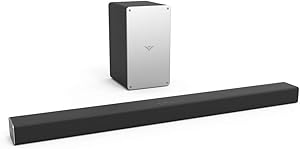
VIZIO has structured its soundbar portfolio around accessible home theater solutions, categorizing its catalog largely into the V-Series, M-Series, and the high-end Elevate collection. This lineup provides a straightforward progression from entry-level 2.0-channel compact bars to full-fledged 5.1.2 or 5.1.4 Dolby Atmos systems equipped with dedicated rear satellite speakers and wireless subwoofers. VIZIO relies heavily on turnkey multi-speaker packages rather than modular standalone units, allowing budget-conscious consumers to purchase a complete surround environment in a single retail box without needing to shop for a la carte components.
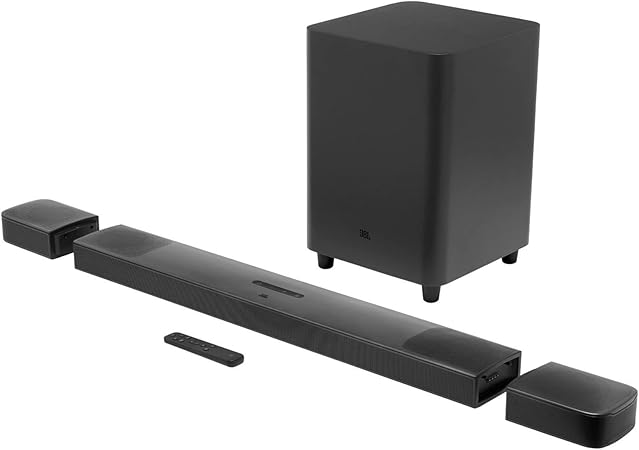
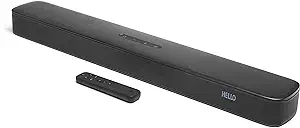
JBL approaches product selection through a broader, technologically distinct array under its popular Bar series, spanning from compact all-in-one models like the Bar 2.0 to flagship solutions such as the Bar 1300X. A major differentiator in JBL's lineup is its pioneering use of true wireless, battery-powered detachable rear speakers, which bridges the gap between clean aesthetics and authentic physical surround sound. While VIZIO excels at providing affordable, pre-packaged discrete-speaker systems, JBL offers a deeper range of connectivity standards, varying subwoofer driver sizes, and modular physical designs suited for diverse room shapes and home network ecosystems.
Design/Look
VIZIO's visual design language is defined by understated, functional minimalism, predominantly featuring dark acoustic fabric wraps, matte plastic shells, and discreet low-profile silhouettes. This unobtrusive styling is intentional, allowing the units to blend seamlessly beneath contemporary televisions without drawing attention. However, VIZIO demonstrates notable industrial design innovation with its flagship Elevate series, which incorporates motorized speaker modules on the bar's outer edges that automatically rotate upward when Dolby Atmos or DTS:X signals are detected, turning a functional spatial transducer into an eye-catching visual centerpiece.
JBL adopts a more premium, industrial aesthetic characterized by robust metal grilles, rounded edges, and high-density polymer housings that resist resonance and tactile wear. The visual identity of JBL's upper-tier models is dictated by their modularity; the magnetic docking mechanisms for the detachable wireless surround speakers are seamlessly integrated into the main bar's chassis, maintaining clean visual lines whether docked or detached. Overall, JBL feels more structurally substantial and modern, employing high-visibility scrolling alphanumeric LED displays behind the front grille, which offer clearer user feedback compared to VIZIO's reliance on subtle vertical LED indicator dots.
Affordability
Affordability represents VIZIO's core market strength, as the brand consistently delivers unmatched price-to-channel ratios across all tiers. While competing manufacturers often charge significant premiums for spatial audio, VIZIO frequently makes dedicated 5.1-channel systems and upward-firing height channels available at mid-range and entry-level price brackets. Even VIZIO's flagship Elevate configurations are priced well below equivalent multi-channel setups from rival audio manufacturers, making real surround sound accessible to buyers who would otherwise be restricted to virtualized 2.1-channel audio.
JBL commands a higher price tag across the board, positioning its lineup in the mid-to-premium segment of the market. While this higher price barrier reflects the inclusion of cutting-edge hardware—such as rechargeable lithium-ion battery modules in the wireless surrounds, massive 10-inch or 12-inch active subwoofers, and broad Wi-Fi streaming integration—it limits JBL's appeal for strict budget shoppers. Consumers paying for JBL are investing in higher peak power handling, superior wireless engineering, and high-end convenience rather than raw channel count per dollar spent.
Sound Quality
VIZIO soundbars are engineered to deliver crisp dialogue and immediate cinematic immersion, generally emphasizing vocal clarity and wide horizontal soundstages out of the box. Because VIZIO prioritizes physical satellite speakers even in budget packages, its spatial separation and rear-channel localization frequently outperform virtualized soundbars in the same price tier. However, VIZIO's compact subwoofers tend to reach their physical excursion limits at high volumes, occasionally resulting in ported cabinet distortion or a slightly thin upper-bass crossover when transitioning from the bar's smaller mid-frequency drivers.
JBL emphasizes robust dynamic headroom, cinematic bass authority, and pristine acoustic tuning powered by parent company Harman's renowned acoustic research. Powered by massive, downward-firing wireless subwoofers, JBL systems provide profound sub-bass extension that can shake large listening spaces without breaking composure. Furthermore, JBL's implementation of MultiBeam technology alongside dedicated upward-firing height drivers creates a significantly more expansive, cohesive, and three-dimensional sound bubble, providing superior musicality, detailed transient response, and zero distortion during demanding blockbuster soundtracks.