Sony vs TCL: Overview
Comparing Sony and TCL helps you determine which brand is best suited for your needs in Soundbars. Both brands offer strong choices depending on your budget and key feature requirements.
Key Features & Comparison
Evaluate factors such as build quality, warranty, customer satisfaction, and total value before making your final purchase choice between Sony and TCL.
Product Selection
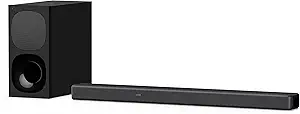
Sony offers a mature, multi-tiered soundbar portfolio that spans entry-level stereo units to ultra-premium, modular home theater architectures. Their flagship HT-A series exemplifies this breadth, allowing users to start with a standalone soundbar and seamlessly integrate wireless subwoofers (such as the SA-SW3 or SA-SW5) and rear satellite speakers with up-firing drivers for true discrete spatial audio. Beyond traditional bar-and-sub combinations, Sony innovates with alternative formats like the HT-A9 modular multi-speaker system and all-in-one compact enclosures featuring integrated subwoofers, giving AV enthusiasts tailored solutions for diverse architectural layouts and technical performance targets.
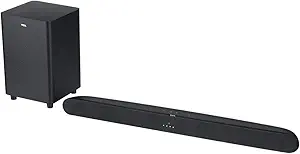
In contrast, TCL focuses its catalog primarily on high-volume, mainstream consumers through straightforward configurations within its S-Series and Q-Series lineups. TCL's selection typically bundles soundbars with wireless subwoofers and occasionally wireless surrounds in ready-to-use 2.1, 3.1, and 5.1 channel packages, emphasizing plug-and-play simplicity over modular expandability. While TCL has steadily introduced advanced processing options like Dolby Atmos and DTS:X in higher-tier Q-Series models, their portfolio lacks the ultra-high-end tier and specialized acoustic components that Sony develops for audiophiles, resulting in a narrower scope that prioritizes value-focused, out-of-the-box home cinema setups.
Design/Look
Sony's industrial design language embodies an understated, premium aesthetic characterized by architectural lines, high-grade acoustic fabrics, and solid matte-finished composites. Sony pays close attention to acoustic housing rigidity, often utilizing structural bracing and premium grilles that minimize resonance while maintaining a sleek, monolithic appearance designed to sit discreetly below high-end televisions. Advanced models frequently feature tactile touch panels, concealed OLED status displays behind metal grilles, and specialized port placements to facilitate low-profile wall mounting or clean tabletop integration without visual clutter.
TCL embraces a more utilitarian, contemporary aesthetic that favors lightweight plastics, metallic-accented trim, and brushed textures aimed at complementing modern flat-panel displays. While higher-end Q-Series soundbars showcase significant aesthetic improvements with clean fabric wraps and geometric contours, the overall material feel and density remain reflective of TCL's cost-efficient manufacturing. Subwoofers in TCL packages are functional and compact, though their vinyl-wrapped MDF cabinets and basic status LED arrays deliver a noticeably less bespoke visual footprint compared to Sony's polished, high-end design craftsmanship.
Affordability
TCL holds a commanding advantage in pricing economics, consistently delivering soundbars with standalone subwoofers and surround speakers at fractions of the cost of legacy audio brands. By leveraging vertical integration and streamlined manufacturing pipelines, TCL democratizes multichannel audio, offering 5.1-channel systems with Dolby Atmos virtualization at entry-to-midrange price thresholds. This aggressive pricing makes TCL the go-to brand for budget-conscious buyers seeking an immediate, cost-effective acoustic upgrade over built-in TV speakers without overspending on acoustic engineering overhead.
Sony operates primarily in the upper-mid to luxury pricing brackets, where initial entry points are higher and modular expansions require separate, premium investments. Purchasing a complete Sony surround ecosystem with a flagship bar, dedicated wireless subwoofer, and spatial-audio rear speakers can rapidly escalate into a major home theater investment. However, Sony justifies this pricing discrepancy through proprietary acoustic technologies like 360 Spatial Sound Mapping, robust wireless connectivity protocols, extensive software tuning, and durable build quality that yield superior long-term performance and resale value.
Sound Quality
Sony delivers a highly sophisticated acoustic performance engineered with custom proprietary components, such as X-Balanced speaker drivers that maximize diaphragm area while reducing distortion. In complex Dolby Atmos and DTS:X environments, Sony excels at spatial precision, employing psychoacoustic processing combined with physical up-firing beam tweeters and height channels to create a convincing, enveloping soundstage. Clear voice rendering, controlled low-frequency extension without mid-range bleed, and refined high-frequency dispersion make Sony systems equally proficient at nuanced musical playback and dynamic cinema soundtracks.
TCL delivers energetic, punchy audio that dramatically enhances dialogue clarity and bass impact compared to native television speakers, yet it exhibits mechanical limitations during critical listening. While TCL subwoofers produce substantial low-end volume suited for action movies, the bass can lean toward boomy and loose without the low-frequency control found in Sony's calibrated systems. Upper-frequency response can also display slight harshness at elevated listening volumes, and spatial virtualization tends to flatten the acoustic depth, making TCL exceptional for everyday entertainment and casual streaming, but less capable of high-fidelity acoustic reproduction.