Denon vs JBL: Overview & Brand Philosophy
In the home theater audio landscape, Denon and JBL represent two distinct heritages, each catering to different sonic priorities and user lifestyles. Denon, founded in Japan in 1910, built its modern reputation on premium audio-video receivers (AVRs) and high-fidelity separates. In the soundbar category, Denon translates this audiophile pedigree into systems designed for balanced acoustics, natural vocal timbre, and seamless integration with multi-room ecosystems like HEOS. The brand's philosophy prioritizes acoustic accuracy and refined musicality, aiming to reproduce cinema soundtracks and high-resolution music precisely as the sound engineer intended, often employing conservative, understated physical designs that blend into home decor.
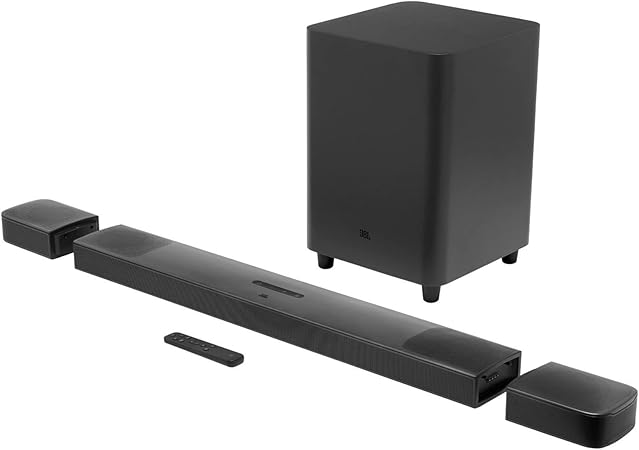
Conversely, JBL brings decades of American professional sound reinforcement and stadium audio heritage directly to the living room. Under the Harman International umbrella (a subsidiary of Samsung), JBL designs soundbars that emphasize visceral impact, dynamic range, and cutting-edge wireless convenience. JBL's design ethos centers on energetic performance—booming bass, crisp highs, and crowd-pleasing presence. Where Denon seeks balance and fidelity, JBL engineers its soundbars to produce high-octane theater experiences, frequently innovating with high-output subwoofers and detachable, battery-powered wireless surround speakers that lower the barrier to entry for true multi-channel surround sound.
Key Differences & Technological Comparison
When comparing Denon and JBL soundbars, the primary divergence lies in acoustic tuning, surround architecture, and smart ecosystem integration:
- Acoustic Tuning and Frequency Response: Denon soundbars (such as the DHT and Home series) feature a neutral, analytical sound signature. Midrange clarity is a standout characteristic, making dialogue intelligibility exceptional even without synthetic voice enhancement. JBL soundbars (specifically the Bar series) lean toward an elevated "V-shaped" sound profile, offering pronounced, punchy low-end response and crisp, forward trebles tailored for action-heavy movies and modern pop or hip-hop tracks.
- Surround Sound Architecture: JBL leads in flexible surround deployment through its modular technology. High-end models like the JBL Bar 1000 and Bar 1300X feature detachable, battery-powered rear speakers that dock into the main bar to charge and can be placed anywhere behind the listener during movie nights. Denon generally relies on virtualized height and surround channels (Dolby Atmos and DTS:X) via upward-firing or psychoacoustic processing, requiring users to purchase dedicated wireless surround speakers (such as Denon Home 150s) that must remain connected to wall power.
- Multi-Room Ecosystems: Denon integrates its proprietary HEOS network platform into mid-to-high-tier soundbars. This provides robust high-resolution audio streaming (up to 24-bit/192kHz), advanced app-based zoning, and integration with Denon AVRs across the home. JBL relies primarily on platform-agnostic protocols like Apple AirPlay 2, Google Cast, and Bluetooth, prioritizing universal smartphone connectivity over an integrated high-res multi-room ecosystem.
- Subwoofer Integration: JBL places massive emphasis on bass authority, frequently bundling 10-inch or even 12-inch down-firing wireless subwoofers capable of sub-30Hz output. Denon bundles smaller, more tightly controlled subwoofers (typically 5.5 to 8 inches) tuned for rapid transient response and musical cohesion rather than room-shaking physical impact.
Pros & Cons Comparison
Denon Soundbars
- Pros:
- Exceptional dialogue clarity and natural midrange reproduction.
- HEOS integration allows high-res streaming and synchronized multi-room audio.
- Refined, neutral tuning excels at both stereo music and cinematic audio.
- Compact, elegant enclosures with premium fabric finishes.
- Cons:
- Subwoofers lack the deep, seismic output found in competing JBL tiers.
- True rear surround expansion requires expensive, mains-powered auxiliary speakers.
- Fewer ultra-high-channel-count standalone configurations.
JBL Soundbars
- Pros:
- Industry-leading detachable, rechargeable wireless rear surround speakers.
- Class-leading bass output with massive, high-wattage wireless subwoofers.
- High dynamic headroom capable of filling large rooms without distortion.
- Extensive support for broad wireless casting standards (AirPlay 2, Chromecast, Alexa MRM).
- Cons:
- Midrange can sound slightly recessed compared to the powerful bass and treble.
- Rechargeable surround batteries will degrade over years of continuous charge cycles.
- Industrial aesthetic with plastic grilles may feel less premium than fabric-wrapped competitors.
Performance, Durability & Value Analysis
From an acoustic durability perspective, both manufacturers demonstrate reliable engineering, but their hardware longevity profiles differ due to design choices. Denon utilizes time-tested, mains-powered hardware architectures with minimal points of mechanical or battery failure. Because Denon soundbars do not rely on internal lithium-ion cells for surround sound, their operating lifespan is dictated purely by the electronic components and software support, which historically extends well past the five-year mark without performance degradation. Denon's physical build quality emphasizes robust structural dampening, reducing chassis resonance during high-output playback.
JBL delivers immense raw value on paper, offering significantly higher total system wattage and physical driver counts per dollar than Denon. However, potential buyers must consider the lifecycle of JBL’s signature detachable rear modules; lithium-ion batteries naturally experience capacity loss over a 3-to-5-year span of regular charge-discharge cycles, which may ultimately require battery replacements or permanent tethering via USB-C. In terms of market positioning, JBL provides unbeatable value for users seeking an authentic, wire-free 5.1 to 11.1.4 Dolby Atmos theater experience out of a single box, whereas Denon represents better long-term value for music lovers seeking a dependable, non-fatiguing audio anchor for daily television and critical listening.
Final Verdict: Which Brand Should You Choose?
Your choice between Denon and JBL ultimately comes down to whether you prioritize acoustic refinement and musical versatility or immersive, high-impact cinema performance.
Choose Denon if: Your living space demands an elegant, understated audio solution that excels with daily television, vocal-heavy dramas, and critical music listening. If you already own Denon HEOS equipment, or if you prefer a neutral, balanced sound signature where dialogue is clear and bass is tight rather than overwhelming, Denon is the superior investment.
Choose JBL if: You want an uncompromising, cinema-like experience with thunderous low-frequency effects and physical surround sound without the clutter of running speaker cables across your floor. JBL is the undisputed winner for movie enthusiasts who prioritize high dynamic volume, explosive action scenes, and the flexibility of detachable, truly wireless surround channels.
Product Selection
When examining product selection, Denon and JBL take markedly different strategic approaches to the soundbar market. Denon focuses heavily on a curated, hi-fi-centric lineup divided primarily between its accessible DHT series and its premium, network-connected Denon Home series. Rather than saturating the market with dozens of minor variations, Denon emphasizes multi-room ecosystem integration through its proprietary HEOS platform. This allows consumers to purchase standalone soundbars like the Denon Home Sound Bar 550 and seamlessly scale up to a full wireless surround system by adding compatible HEOS subwoofers and satellite speakers. However, their standalone entry-level options are somewhat limited, leaving shoppers seeking ultra-budget or highly specialized form factors with fewer choices.
Conversely, JBL provides an expansive, consumer-friendly catalog categorized under its popular Bar series, spanning from compact 2.0-channel bedroom units to flagship 11.1.4-channel Dolby Atmos systems. JBL differentiates itself by offering unique hardware configurations, most notably its innovative soundbars featuring truly wireless, battery-powered detachable rear surround speakers—such as the JBL Bar 800 and Bar 1300X. This broad portfolio ensures that whether a buyer needs a cheap, plug-and-play TV audio upgrade or a high-powered, wire-free home theater package with massive standalone subwoofers, JBL has a targeted solution. Consequently, JBL holds a distinct advantage in sheer variety and mechanical innovation, while Denon excels in modular hi-res audio networking.
Design/Look
Denon leans heavily into an understated, classic audio aesthetic that prioritizes subtle integration into upscale living spaces. Denon soundbars typically feature soft, rounded corners wrapped in premium acoustically transparent fabric, often finished in sophisticated charcoal or matte black tones. Controls are sleekly engineered—the Denon Home series, for instance, includes integrated proximity-sensing capacitive touch interfaces that illuminate only when a hand approaches, keeping visual distractions to a minimum during movie viewing in dark rooms. The overall build quality conveys high-end Japanese audio heritage, feeling dense, well-damped, and purposefully restrained, though the heavy use of fabric can make dust maintenance more challenging over time.
JBL approaches industrial design with a distinctly modern, lifestyle-oriented, and robust architectural philosophy. Predominantly constructed from durable hard plastics and full-wrap metal front grilles, JBL soundbars project a more rugged, tech-forward presence that is easier to clean and resistant to wear. A prominent visual feature across much of JBL's mid-to-high tier is the front-facing alphanumeric LED display that shines through the metal grille to deliver immediate feedback on volume, input, and audio decoding before gracefully dimming. Furthermore, the seamless docking mechanism for their detachable battery-operated surround speakers is an engineering marvel, blending industrial utility with clean, metallic lines that effortlessly match contemporary flat-panel televisions.
Affordability
In terms of pricing and overall affordability, Denon maintains a premium floor that reflects its home theater and audiophile pedigree. Even their entry-level models, such as the DHT-S216 or DHT-S316, command a moderate investment that sits above the bottom tier of the consumer soundbar market. When moving into their high-performance HEOS-enabled products, the cost increases significantly, especially when factoring in the price of proprietary wireless subwoofers and surround speakers required to build a complete multichannel setup. Denon’s pricing structure appeals mostly to users who prioritize high-resolution streaming, platform longevity, and precise acoustic engineering, viewing the investment as a modular alternative to a traditional AV receiver setup.
JBL offers a much wider economic spectrum, delivering exceptional value at both the budget entry point and the all-in-one flagship tier. Shoppers on strict budgets can readily find basic JBL stereo soundbars that dramatically outperform built-in television speakers for a modest price. At the higher end, while systems like the JBL Bar 1000 and 1300X require substantial capital, their overall cost-to-feature ratio remains outstanding because the purchase price includes massive subwoofers (often 10 to 12 inches) and battery-powered surround channels right out of the box. Consumers who want a complete, high-output Dolby Atmos theater experience without buying expensive add-on modules typically find that JBL delivers substantially more raw hardware per dollar spent.
Sound Quality
The acoustic profile of Denon soundbars is characterized by balance, natural mid-range timbre, and audiophile-grade transparency. Drawing on over a century of acoustic engineering, Denon tunes its drivers to deliver exceptional dialogue clarity without harshness, making speech intelligible even at low listening levels without aggressive dynamic range compression. High frequencies are smooth and detailed, while stereo imaging is exceptionally precise, which makes Denon soundbars notably superior for critical music listening and acoustic tracks. Even when engaging virtual surround processing, Denon preserves the integrity of the original mix, avoiding unnatural phase shifts or excessive synthetic reverberation in favor of authentic tonal fidelity.
In contrast, JBL soundbars are engineered for cinematic impact, high-energy entertainment, and high-volume dynamics. Anchored by the signature JBL sound curve, these soundbars deliver punchy, visceral low-end performance and an expansive soundstage engineered to replicate a multiplex theater. The brand's use of dedicated upward-firing drivers, side-firing beamers, and high-wattage active subwoofers creates an immersive, room-filling Dolby Atmos and DTS:X bubble that excels with action blockbusters and modern pop or electronic music. While JBL might not match the delicate harmonic nuance or mid-range purity of Denon during quiet orchestral pieces, it provides far superior bass authority, dynamic headroom, and visceral impact for dedicated home theater enthusiasts.
Compare current retail pricing, active promotions, and verified stock availability directly from authorized stores:
Compare current retail pricing, active promotions, and verified stock availability directly from authorized stores: