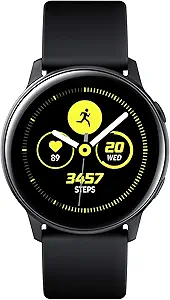
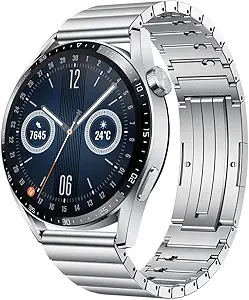
Samsung vs Huawei: Overview
Comparing Samsung and Huawei helps you determine which brand is best suited for your needs in Smart Watch. Both brands offer strong choices depending on your budget and key feature requirements.
Key Features & Comparison
Evaluate factors such as build quality, warranty, customer satisfaction, and total value before making your final purchase choice between Samsung and Huawei.
Battery Life
When evaluating endurance, Huawei holds a substantial architectural advantage over Samsung. Huawei smartwatches, such as the Watch GT and Watch Ultimate series, are engineered with high-efficiency proprietary operating systems (HarmonyOS Lite variants) and dual-chipset architectures designed to aggressively minimize idle power draw. This approach yields exceptional battery performance, typically granting users between 7 to 14 days of typical use on a single charge, even with continuous heart rate and sleep tracking enabled. Even under heavy GPS utilization, Huawei watches reliably deliver tens of continuous tracking hours, making them ideal companions for endurance athletes and users averse to daily charging routines.
In contrast, Samsung Galaxy Watches are designed around Google's power-hungry Wear OS, which powers desktop-grade background processes, complex multitasking, and richer graphical interfaces. Consequently, Samsung devices typically deliver between 24 to 40 hours on standard models, with the larger Galaxy Watch Ultra or Pro variants stretching to roughly 60 to 80 hours in optimized states. This technical trade-off means Samsung users must adopt a daily or alternate-day charging regimen, generally utilizing proprietary wireless pucks that can take up to two hours to fully replenish. For consumers prioritizing battery longevity over micro-computing capability, Huawei is the undisputed victor in this category.
Build Quality & Durability
Both manufacturers demonstrate premier industrial design, but they target durability through different engineering philosophies. Huawei frequently adopts traditional horological aesthetics, utilizing luxury-tier materials even in mid-range tiers. Models like the Huawei Watch GT Pro and Watch Ultimate incorporate aerospace-grade titanium cases, scratch-resistant sapphire crystal glass, and nanocrystalline ceramic backings. The Watch Ultimate takes resilience even further by employing a zirconium-based liquid metal alloy housing and certified 100-meter water resistance with dedicated ISO 22810 and EN 13319 dive certifications, far surpassing standard consumer electronics build thresholds.
Samsung counters with a robust, utilitarian build ethos characterized by its Armor Aluminum and grade 4 titanium chassis (featured on flagship iterations like the Galaxy Watch Ultra). Samsung devices are rigorously tested against MIL-STD-810H standards and offer IP68 and 5ATM ingress ratings, ensuring excellent resistance to shock, temperature extremes, and dust. While Samsung's sapphire crystal display shields are exceptionally tough against daily scratches, the brand leans more into a modern, sport-centric aesthetic with high-density polymer accents compared to Huawei’s classic luxury styling. Huawei holds a slight edge in premium material deployment, while Samsung excels in modern, ruggedized ergonomics designed for active, high-impact environments.
Health & Fitness Tracking
In health and biometrics, Huawei utilizes its cutting-edge TruSeen and TruSense optical sensor platforms, which incorporate multi-channel signal processing and proprietary algorithmic noise reduction. Huawei wearables excel in basic biometric accuracy, frequently rivaling specialized chest straps for continuous heart rate tracking during high-intensity interval workouts. Furthermore, Huawei's sleep staging (TruSleep) and pulse wave arrhythmia analyses are renowned for granular accuracy. Fitness enthusiasts also benefit from professional-grade outdoor metrics, such as dual-frequency multi-GNSS positioning, native running capability assessments (RAI), and offline topographic route rendering designed specifically for trail running and mountaineering.
Samsung’s health ecosystem is anchored by its proprietary 3-in-1 BioActive Sensor, which integrates optical heart rate, electrical heart signal (ECG), and bioelectrical impedance analysis (BIA) into a unified module. Samsung sets the benchmark for clinical-style consumer metrics, offering body composition scanning (skeletal muscle, body fat percentage, body water) and FDA-cleared sleep apnea detection alongside arterial blood pressure monitoring (calibrated with a traditional cuff). However, Samsung locks certain advanced metrics, including ECG and blood pressure readings, exclusively to paired Samsung Galaxy smartphones. While Huawei provides slightly tighter continuous athletic accuracy and independent navigation metrics, Samsung offers a broader, more holistic portfolio of daily clinical wellness assessments.
Smart Features & Connectivity
Smart functionality represents the most dramatic divergence between the two brands, heavily favoring Samsung. Powered by Wear OS powered by Samsung, Galaxy Watches offer a full-fledged mini-computer experience on the wrist. Users benefit from deep Google Play Store integration, allowing direct access to essential third-party applications like Google Maps, Spotify, WhatsApp, and Strava. Seamless notification management allows users to respond via full QWERTY keyboard, voice dictation, or smart replies. Additionally, comprehensive NFC payment support via Google Wallet and Samsung Wallet, paired with autonomous LTE configurations, makes Samsung watches truly autonomous communication hubs.
Huawei's smart ecosystem is considerably more constrained, largely due to ongoing geopolitical sanctions and reliance on HarmonyOS. While the interface is fluid and aesthetically pleasing, the ecosystem suffers from a barren third-party application store (AppGallery) with virtually no globally recognized native apps. Notification handling is predominantly passive; users can view alerts, but interactive reply capabilities are rudimentary and severely limited when paired with iOS devices. Furthermore, contactless payment support remains regionally fragmented or non-existent in Western markets. For consumers seeking rich productivity, voice assistant integration, dynamic app ecosystems, and connected wrist-computing, Samsung stands in a completely superior tier.
Compare current retail pricing, active promotions, and verified stock availability directly from authorized stores: