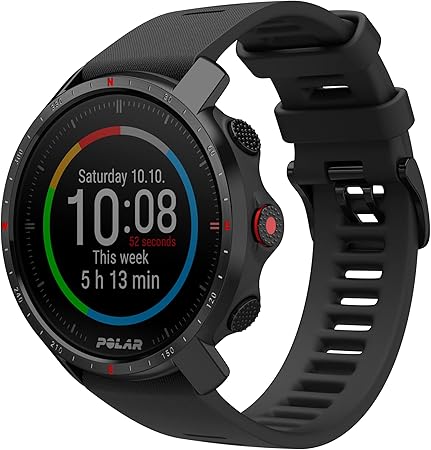









Polar vs Withings: Overview
Comparing Polar and Withings helps you determine which brand is best suited for your needs in Smart Watch. Both brands offer strong choices depending on your budget and key feature requirements.
Key Features & Comparison
Evaluate factors such as build quality, warranty, customer satisfaction, and total value before making your final purchase choice between Polar and Withings.
Battery Life
Polar and Withings approach battery architecture from fundamentally different philosophies, directly reflecting their primary use cases. Polar designs performance-driven multisport GPS watches that utilize power-efficient Memory-in-Pixel (MIP) or vibrant AMOLED displays, heavily reliant on continuous biometric sensing and high-frequency satellite positioning. In typical smartwatch operation, modern Polar devices like the Vantage and Grit X series deliver between 5 to 7 days on a single charge. However, their engineering shines during intensive activity tracking, offering anywhere from 30 to over 100 continuous GPS-tracked hours via configurable power-save modes. This enables endurance athletes to log ultramarathons and multiday expeditions without concern, though the heavy sensor load requires regular recharging routines.
In stark contrast, Withings prioritizes exceptional, maintenance-free longevity by engineering hybrid smartwatches that marry mechanical analog dials with discreet, low-power PMOLED or grayscale displays. Devoid of power-hungry onboard GPS and continuous high-refresh screens, devices like the ScanWatch series achieve an extraordinary 30-day battery life on a single charge under standard usage parameters. Even when leveraging passive health metrics and continuous overnight sleep tracking, users rarely think about recharging. The trade-off is clear: while Polar offers continuous, high-draw athletic metrics that demand weekly replenishment, Withings delivers an ultra-efficient, month-long operational window optimized for passive, sustained clinical monitoring.
Build Quality & Durability
When examining structural integrity, Polar focuses on ruggedized endurance and tactical resilience. Built to survive brutal outdoor environments, Polar's premium lineup frequently carries MIL-STD-810G military-grade durability certifications, featuring scratch-resistant sapphire crystal lenses, raised forged titanium or stainless steel protective bezels, and fiberglass-reinforced polymer chassis. These engineering choices provide outstanding impact resistance, broad thermal tolerance against extreme temperatures, and water resistance up to 100 meters (10 ATM). Textured physical buttons with tactile mechanical feedback ensure immediate, dependable operation in pouring rain, freezing cold, or while wearing heavy athletic gloves.
Withings counters with a sophisticated, horological aesthetic that leans into luxury minimalist craftsmanship rather than backcountry ruggedness. Withings cases are precision-machined from surgical-grade 316L stainless steel, paired with polished sapphire glass and clean mechanical hands that fit seamlessly into high-end professional and formal environments. While they maintain respectable water resistance (typically 5 ATM / 50 meters), they forgo shock-absorbing polymer composite frames, tactical bumpers, or military drop-testing. A single digital crown governs menu navigation, emphasizing understated, classic elegance over extreme impact survivability. Consequently, Polar is engineered to withstand raw outdoor punishment, whereas Withings excels as an executive-tier, aesthetically timeless piece of wearable jewelry.
Health & Fitness Tracking
Polar stands as a pioneer in physiological science and athletic performance tracking, catering predominantly to competitive athletes, coaches, and fitness enthusiasts. Its proprietary algorithms, powered by the multi-LED Precision Prime optical heart rate sensor, provide industry-standard training analytics. Features such as Training Load Pro, Recovery Pro, Running Power, and Nightly Recharge deliver deep, actionable insights into cardiovascular strain, muscular fatigue, and autonomic nervous system (ANS) recovery. Polar's ecosystem excels at detailed workout breakdowns, power-zone training, and customized sports profiles, offering granular performance data that actively directs workout planning and prevents overtraining syndrome.
Withings, on the other hand, shifts the paradigm from athletic optimization toward proactive, medical-grade preventive healthcare. The brand collaborates extensively with cardiologists and medical institutions to integrate FDA-cleared and CE-certified clinical technologies. Key capabilities include medical-grade on-demand 1-lead Electrocardiograms (ECG) to detect atrial fibrillation, respiratory scan tools that pinpoint nighttime breathing disturbances suggestive of sleep apnea, and integrated baseline body temperature sensors. While Withings includes basic activity tracking and connected GPS functionality, it lacks Polar's complex aerobic training metrics, positioning Withings as the definitive tool for long-term health surveillance rather than sport-specific athletic development.
Smart Features & Connectivity
Neither brand intends to fully mimic mainstream full-featured operating systems like Apple watchOS or Wear OS, but their approaches to connected smarts vary in execution. Polar operates on a proprietary, sport-centric interface that prioritizes uninterrupted data capture. Its smartwatch utilities are functional and focused, delivering mirrored phone notifications, customizable music controls for third-party media players, weather forecasts, and clear push-alert filtering. Connectivity relies on Bluetooth Smart, which allows seamless cross-communication with external chest straps, cycling power meters, cadence sensors, and platforms like Strava and TrainingPeaks. However, Polar omits contactless payments, voice assistants, onboard cellular LTE, and downloadable third-party apps.
Withings embraces an intentionally restrained, low-distraction design philosophy where smart functionality remains subtle and unobtrusive. Incoming notifications, caller IDs, and calendar reminders scroll horizontally across a small, circular digital display nestled within the analog face, ensuring users remain informed without suffering continuous digital overwhelm. Withings connects reliably to iOS and Android via the highly polished Withings Health Mate app, synchronizing seamlessly with Apple Health, Google Health Connect, and specialized tele-health services. The trade-off is the absence of modern amenities like NFC payments, onboard music storage, or native external sensor pairing, making Withings a sanctuary for individuals seeking discreet digital alerts wrapped inside a traditional mechanical timepiece.