







Mobvoi vs Fitbit: Overview
Comparing Mobvoi and Fitbit helps you determine which brand is best suited for your needs in Smart Watch. Both brands offer strong choices depending on your budget and key feature requirements.
Key Features & Comparison
Evaluate factors such as build quality, warranty, customer satisfaction, and total value before making your final purchase choice between Mobvoi and Fitbit.
Battery Life
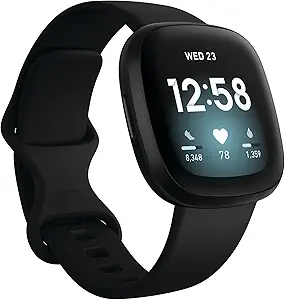
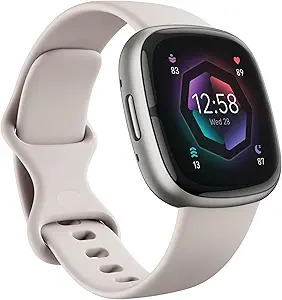
When examining endurance, Fitbit and Mobvoi approach battery performance from fundamentally different architectural perspectives. Fitbit has historically dominated the lightweight wearable segment by running lean, proprietary operating systems designed to sip power. Flagship smartwatches like the Fitbit Sense 2 and Versa 4 comfortably achieve five to six days of typical use on a single charge, even with continuous heart rate monitoring and sleep tracking active. Even under heavy GPS utilization, Fitbit maintains strong efficiency, making it an ideal choice for users who want a largely passive maintenance cycle and loathe the ritual of daily charging docks.
Mobvoi, by contrast, operates in the power-hungry Google Wear OS ecosystem with its TicWatch line, overcoming standard platform limitations through clever dual-layer display engineering. The TicWatch Pro series utilizes an innovative layered screen combining a brilliant AMOLED panel with an ultra-low-power FSTN liquid crystal display. In standard smart mode, this architecture yields an impressive 3 to 4 days of battery life—extraordinary for a fully featured Wear OS device—and up to 45 days in Essential Mode. While Fitbit offers longer continuous runtime with full smart capabilities active, Mobvoi delivers unmatched battery longevity among high-powered Wear OS competitors thanks to its hardware-level display switching.
Build Quality & Durability
Fitbit generally emphasizes lightweight, streamlined industrial design suited for unobtrusive 24/7 wear and athletic performance. Utilizing anodized aluminum chassis, gentle contours, and Gorilla Glass protection, models like the Sense and Versa series sit flush against the wrist and minimize snagging on clothing. Water resistance across both brands is standardized at 5 ATM, allowing for pool swimming and shower protection. However, Fitbit’s design language leans heavily toward wellness lifestyle aesthetics, occasionally feeling somewhat delicate compared to rugged outdoor watches, with proprietary strap connections that limit aftermarket customization without dedicated adapters.
Mobvoi adopts a considerably more rugged, traditional horological aesthetic that appeals to outdoor enthusiasts and users seeking mechanical durability. The TicWatch Pro family incorporates high-grade materials such as US-military certified MIL-STD-810H enclosures, knurled stainless steel bezels, and fiberglass-reinforced high-strength nylon cases. This robust construction makes Mobvoi smartwatches distinctly more impact-resistant and better suited for demanding environments. While this heavy-duty engineering results in a noticeably bulkier and heavier profile that may feel cumbersome during sleep, it offers superior physical longevity and standard quick-release watch lugs for universal band replacements.
Health & Fitness Tracking
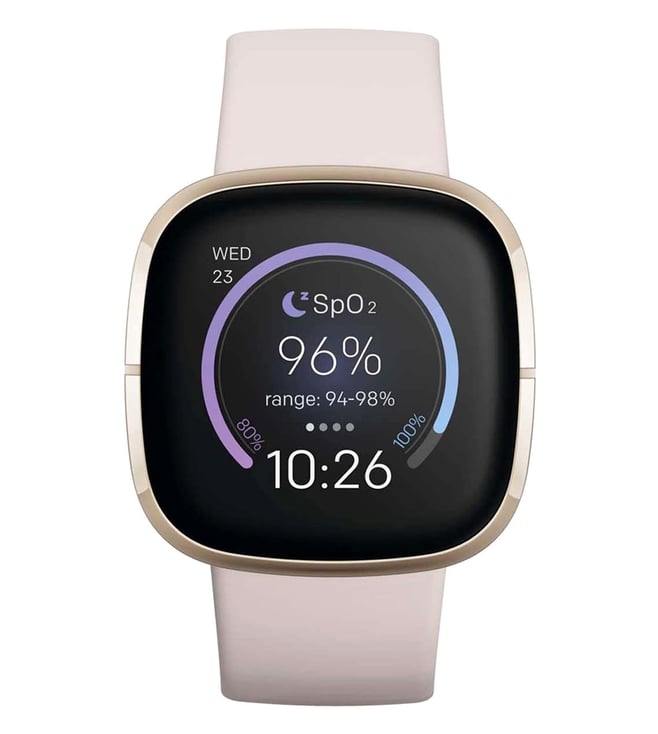
Fitbit is an industry pioneer in consumer health analytics, maintaining a distinct edge in comprehensive biometric interpretation and everyday wellness coaching. Its sensor suite excels in passive recovery monitoring, providing actionable data on Heart Rate Variability (HRV), skin temperature variations, and SpO2 trends through an intuitive dashboard. Fitbit’s sleep tracking architecture remains among the most accurate in the consumer market, dissecting sleep stages and sleep apnea indicators with remarkable precision. However, a notable consumer drawback is the Fitbit Premium paywall, which locks deeper historical trends, detailed stress management scores, and advanced readiness metrics behind a recurring monthly subscription.
Mobvoi provides a capable native suite called TicHealth, which tracks continuous heart rate, blood oxygen saturation, respiration, and fatigue metrics without recurring subscription fees. Despite its robust independent sensors, Mobvoi's algorithmic analysis and user interface are less polished than Fitbit’s refined behavioral tracking. Athletic pacing and workout metrics on Mobvoi are serviceable, but GPS lock times and raw sensor consistency occasionally fall short of Fitbit's benchmark. Nonetheless, Mobvoi counters by offering native access to the broader Android fitness ecosystem, allowing users to bypass proprietary software in favor of robust third-party tracking platforms like Google Fit, Strava, and specialized Wear OS apps.
Smart Features & Connectivity
Fitbit provides an intentionally restrained smart experience focused primarily on notifications, quick replies (on Android), basic music control, and contactless payments via Fitbit Pay or Google Wallet. Following Google's acquisition of Fitbit, software features have seen a mix of improvements and regressions; while Google Maps turn-by-turn navigation is available, third-party app support has been drastically reduced, and offline music storage has been largely phased out. The interface is optimized for speed and simplicity rather than multitasking, which limits Fitbit’s utility for consumers seeking a true standalone smartphone companion.
Mobvoi dominates the smart functionality category due to its full integration with Google's Wear OS platform. Powered by modern Snapdragon processors, TicWatch devices grant access to the expansive Google Play Store, enabling full independent app installations ranging from Spotify offline caching to smart home controllers. Users benefit from fluid voice dictation via Google Assistant, rich notification handling, cross-platform app sync, and comprehensive wrist-based communication including speakerphone calling and full messaging keyboards. For consumers prioritizing deep operating system integration, app versatility, and advanced digital productivity, Mobvoi holds an undeniable technical advantage.