Fitbit vs Xiaomi: Overview
Comparing Fitbit and Xiaomi helps you determine which brand is best suited for your needs in Smart Watch. Both brands offer strong choices depending on your budget and key feature requirements.
Key Features & Comparison
Evaluate factors such as build quality, warranty, customer satisfaction, and total value before making your final purchase choice between Fitbit and Xiaomi.
Battery Life
When evaluating battery longevity, Xiaomi demonstrates a clear engineering advantage through aggressive hardware optimization and lightweight proprietary software. Most Xiaomi smartwatches, such as the Watch S series or the Mi Band and Smart Band Pro lineups, comfortably deliver between 7 to 14 days of typical use on a single charge, with some models extending up to 20 days in battery-saver modes. This remarkable endurance is achieved through highly efficient RTOS (Real-Time Operating System) architectures that limit background processing and prioritize low-power sensor polling intervals. For users who prioritize a set-it-and-forget-it wearable experience that eliminates charging anxiety during multi-day trips, Xiaomi stands out as an exceptional performer.
In contrast, Fitbit devices—such as the Sense 2, Versa 4, and Charge 6—typically offer around 5 to 7 days of operational life under standard conditions, which noticeably shrinks to 2 to 3 days when using the always-on display (AOD) or tracking extensive continuous GPS activities. Fitbit balances this battery consumption against continuous, high-fidelity physiological monitoring, such as uninterrupted second-by-second heart rate tracking and background skin temperature logging. While Fitbit's battery life comfortably outclasses platforms like Apple Watch and Wear OS, it still trails Xiaomi's RTOS-based endurance by a wide margin, making Xiaomi the undisputed winner for sheer battery longevity.
Build Quality & Durability
Xiaomi takes an approach focused on premium material density at accessible price tiers, often utilizing stainless steel cases, sapphire-coated glass, or high-grade aluminum alloys even on mid-range models. The design language of Xiaomi's flagship smartwatches closely resembles traditional horology, incorporating knurled crowns, rotating bezels, and standard 22mm lug designs that accommodate interchangeable third-party straps. In terms of durability, Xiaomi devices generally offer 5 ATM water resistance ratings and reinforced glass covers, rendering them resilient against swimming, showers, and everyday impacts. However, the internal fit and finish on budget-tier variants can occasionally rely on lighter polycarbonates that are more susceptible to scuffs over extended use.
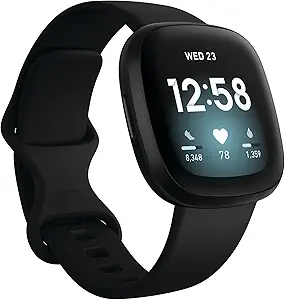
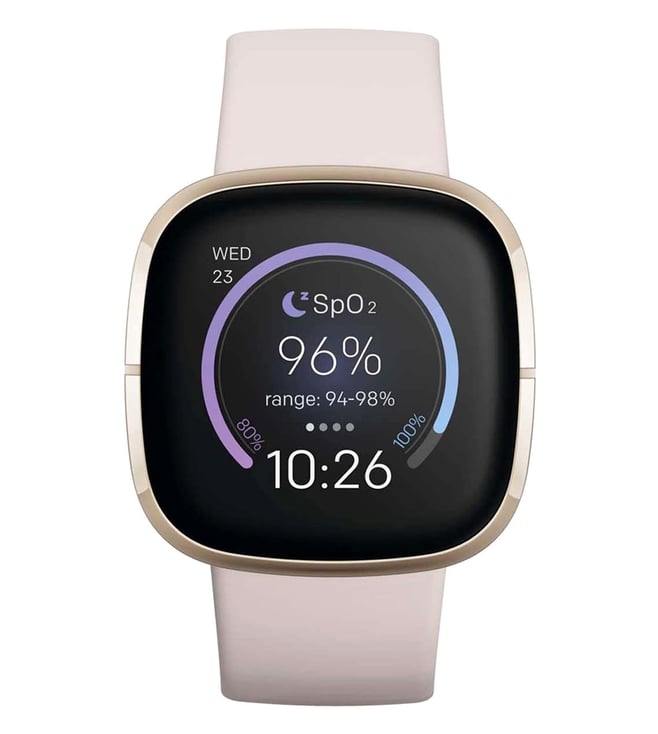
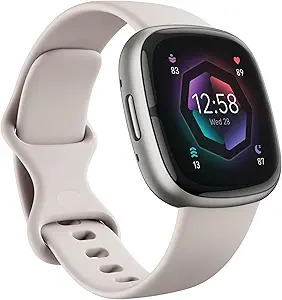
Fitbit focuses on lightweight, ergonomic industrial design tailored primarily for 24/7 wear and uninterrupted sleep monitoring. Devices like the Sense 2 and Versa 4 utilize aircraft-grade aluminum casings with soft, rounded contours (Fitbit’s signature 'squircle' design) engineered to minimize wrist fatigue. Durability is strong, also rated at 5 ATM water resistance, and the glass surfaces—typically Corning Gorilla Glass 3—offer respectable scratch protection. However, Fitbit's physical hardware has historically faced scrutiny over proprietary strap latching mechanisms and delicate charging pins that can wear out over years of use, whereas Xiaomi's adoption of standard lug interfaces and magnetic pucks generally yields better long-term mechanical reliability.
Health & Fitness Tracking
Fitbit represents the gold standard in consumer-grade health analytics and wellness tracking algorithms, backed by extensive clinical research and Google's advanced machine learning integrations. Fitbit devices excel in passive, continuous biometric monitoring, delivering highly accurate sleep staging, detailed Heart Rate Variability (HRV) metrics, skin temperature tracking, and stress management via continuous electrodermal activity (cEDA) sensors on higher-end units. The holistic Daily Readiness Score and robust wellness reporting provide users with actionable insights rather than raw, uncontextualized metrics. However, a significant drawback is that access to detailed historical data and advanced trend analyses is gated behind the recurring Fitbit Premium subscription.
Xiaomi offers a capable suite of sensors across its portfolio, including photoplethysmography (PPG) heart rate monitors, SpO2 pulse oximetry, dual-frequency GNSS positioning, and multi-axis accelerometers. While it covers broad fitness bases with dozens of tracked workout profiles and basic sleep staging, its data interpretation tends to be raw and less clinically polished than Fitbit's proprietary algorithms. Occasional latency in optical heart rate readings during high-intensity interval training (HIIT) and less nuanced sleep phase classification remain noticeable compromises. Nevertheless, Xiaomi delivers all of its health data and metrics entirely free through the Mi Fitness app, making it an attractive, no-cost alternative for casual fitness enthusiasts who do not require medical-grade algorithmic depth.
Smart Features & Connectivity
Fitbit's integration into the Google ecosystem provides its modern hardware with elevated utility, including native support for Google Maps turn-by-turn navigation, Google Wallet for contactless payments, and integration with Google Assistant or Amazon Alexa. Notification handling is smooth on Android devices, allowing quick canned responses and seamless synchronization across devices. However, recent design decisions have curtailed certain legacy capabilities; third-party app stores have been largely discontinued on the latest models, and offline music storage has been phased out, positioning Fitbit strictly as a health-centric wearable rather than a fully open smartwatch platform.
Xiaomi takes a divergent path depending on the underlying operating system of the specific device. Its budget and mid-tier models run a lightweight RTOS that delivers swift notification mirroring and basic music playback controls, but lacks interactive notification replies and robust third-party application ecosystems. Conversely, Xiaomi's high-end Wear OS-powered smartwatches (such as the Xiaomi Watch 2 Pro) unlock the full capabilities of the Google Play Store, comprehensive voice control, and advanced multitasking at the cost of battery life. Overall, while Xiaomi offers broader operational versatility across its diverse catalog, Fitbit delivers a more consistent and tightly integrated day-to-day smart notification and digital assistant experience within the Google umbrella.