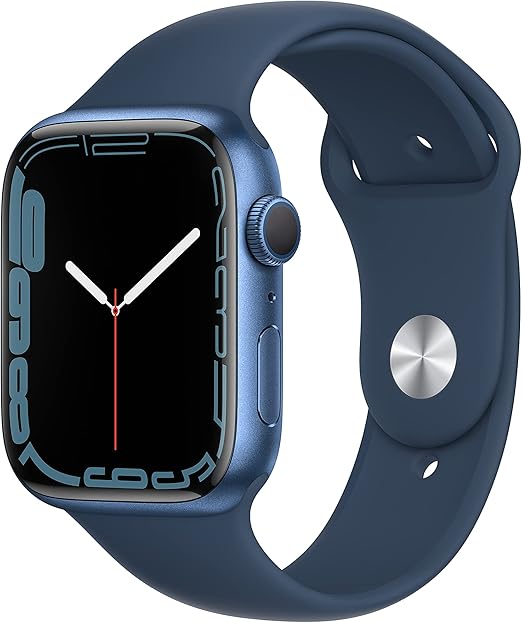
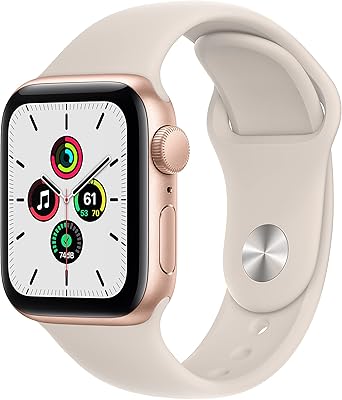
Apple vs Fossil: Overview
Comparing Apple and Fossil helps you determine which brand is best suited for your needs in Smart Watch. Both brands offer strong choices depending on your budget and key feature requirements.
Key Features & Comparison
Evaluate factors such as build quality, warranty, customer satisfaction, and total value before making your final purchase choice between Apple and Fossil.
Battery Life
When evaluating battery longevity, Apple and Fossil approach power management through vastly different hardware architectures and operating system demands. Apple Watch models, including the mainstream Series devices, consistently deliver approximately 18 to 36 hours of real-world use depending on the implementation of the Always-On display, continuous background heart-rate telemetry, and cellular connectivity. Apple mitigates this relatively short single-charge lifespan by integrating proprietary magnetic fast-charging architectures that can replenish the battery to 80% in roughly 45 minutes, though the premium Apple Watch Ultra pushes performance to 60-72 hours in low-power modes through sheer battery capacity scaling. Consequently, standard Apple Watch users must develop a disciplined, daily charging cadence to support uninterrupted sleep tracking and daily workout logging.
Fossil, historically relying on Google's Wear OS platform alongside customized battery-saving profiles, offers an experience with both distinct advantages and compromises. In standard smartwatch mode, Fossil Gen 6 devices typically yield around 24 hours of usage, closely matching base-tier Apple devices while similarly featuring rapid-charging mechanisms that restore roughly 80% capacity in 30 minutes. However, Fossil’s major advantage comes from its Hybrid smartwatch lineup, which ditches power-hungry full-color OLED displays for analog mechanical hands overlaying e-ink screens. These hybrid variants deliver an exceptional two to four weeks of endurance on a single charge while retaining essential notifications and activity monitoring, making Fossil a vastly superior option for users prioritizing minimal wall-outlet dependency over fluid digital interface fidelity.
Build Quality & Durability
Apple sets an exceptionally high standard for smartwatch manufacturing, deploying aerospace-grade aluminum, high-polish stainless steel, and aerospace-grade titanium across its various product tiers. The standard Ion-X glass found on base aluminum models offers respectable impact resistance, while the sapphire crystal screens on stainless steel and Ultra variants provide industry-leading scratch resistance against daily abrasion. Durability is further reinforced by strict ingress protection certifications; Apple Watches maintain a 50-meter water resistance rating (WR50) under ISO standard 22810:2010, with the ruggedized Ultra edition boasting a 100-meter rating alongside EN13319 dive computer certification and MIL-STD 810H testing, ensuring long-term resilience against extreme temperatures, physical shock, and deep submergence.
Fossil leverages more than four decades of traditional horological expertise, crafting devices that prioritize the aesthetic and tactile sensibilities of classic chronographs. Primarily constructed from high-grade 316L stainless steel, Fossil watches feature intricate bezel detailing, knurled rotating crowns, and universally compatible 22mm or 20mm quick-release lugs that accept standard mechanical watch bands. However, from a pure engineering and durability perspective, Fossil generally lags behind Apple. Most Fossil smartwatches rely on mineral crystal or basic Gorilla Glass that is notably more prone to scratching than sapphire crystal, and their water resistance is typically capped at 3 ATM or 5 ATM (30 to 50 meters), lacking the specialized high-velocity or deep-water ratings found in Apple's premium tiers, rendering them better suited for urban wear than demanding outdoor expeditions.
Health & Fitness Tracking
In the domain of biometrics and wellness engineering, Apple operates as an industry frontrunner with clinically certified and medically validated instrumentation. The Apple Watch integrates optical heart rate sensors, an electrical heart sensor for on-demand electrocardiograms (ECG), blood oxygen (SpO2) monitoring, and dual-temperature sensors engineered for precise retrospective ovulation tracking and baseline temperature monitoring. Apple's computational algorithms seamlessly process complex metrics including VO2 max, heart rate variability (HRV), and cardio recovery, all synthesized cleanly within Apple Health. Combined with advanced safety features such as severe fall detection and crash detection via high-g accelerometers and barometric altimeters, Apple represents a comprehensive, medically focused diagnostic platform.
Fossil takes a more conventional consumer-grade approach to fitness tracking, relying on multi-channel optical PPG sensors capable of continuous heart rate measurement, estimated blood oxygen saturation, and basic sleep stage classification. While the Gen 6 series introduced improved biometric tracking with continuous SpO2 readings, the hardware lacks the specialized electrical components necessary for certified ECG generation and body temperature variation tracking. Workout tracking is managed primarily through third-party platforms like Google Fit or Fossil's proprietary companion software, which sufficiently measure steps, distance, active minutes, and estimated caloric burn. Nevertheless, for users demanding granular athletic analytics, high-precision GPS track accuracy, or FDA-cleared clinical health surveillance, Fossil cannot compete with the algorithmic rigor and sensor fidelity native to Apple's ecosystem.
Smart Features & Connectivity
Apple’s watchOS represents the zenith of wearable computing and cross-device ecosystem integration. Operating as a natural extension of iOS, an Apple Watch allows users to execute frictionless contactless transactions via Apple Pay, trigger home automation through Siri, stream independent audio via cellular models, and interact with a vast repository of native, standalone watch apps. The watch's haptic feedback engine (Taptic Engine) provides nuanced, tactile alerts that remain unmatched in consumer electronics. The primary limitation, however, is ecosystem lock-in: an Apple Watch requires an iPhone for initial configuration and daily synchronization, entirely alienating Android smartphone users from utilizing its feature set.
Fossil relies on a platform-agnostic strategy that prioritizes broad hardware compatibility over proprietary deep-linking. Powered by Wear OS by Google or proprietary lightweight operating systems on its Hybrid models, Fossil devices interface smoothly with both Android and iOS devices, providing wide consumer flexibility. Users benefit from Google Assistant/Alexa integration, Google Wallet NFC payments, and full Android notification interactivity, including direct message replies via an on-screen keyboard. However, the connectivity experience is frequently fragmented; software updates are less dependable than Apple's multi-year update cycles, and iOS users paired with a Fossil device encounter restricted functionality, such as the inability to respond directly to incoming iMessages, making Fossil a versatile yet functionally compromised alternative depending on the paired host OS.