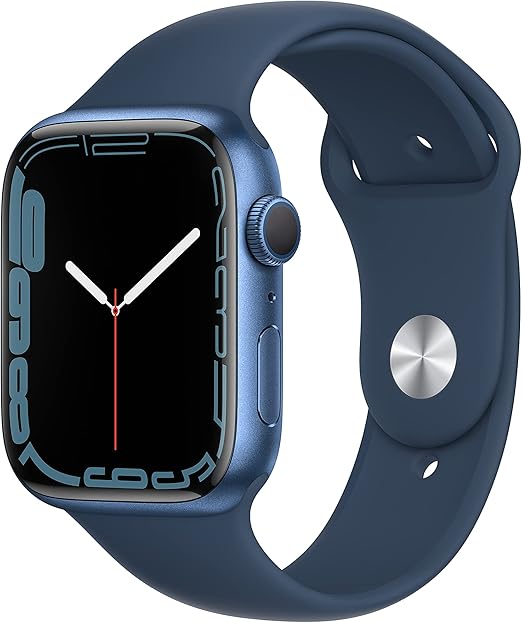
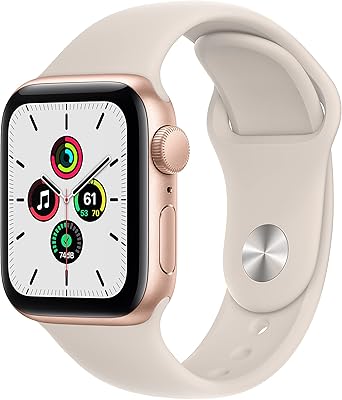
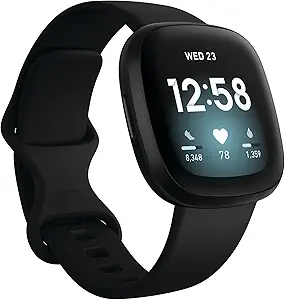
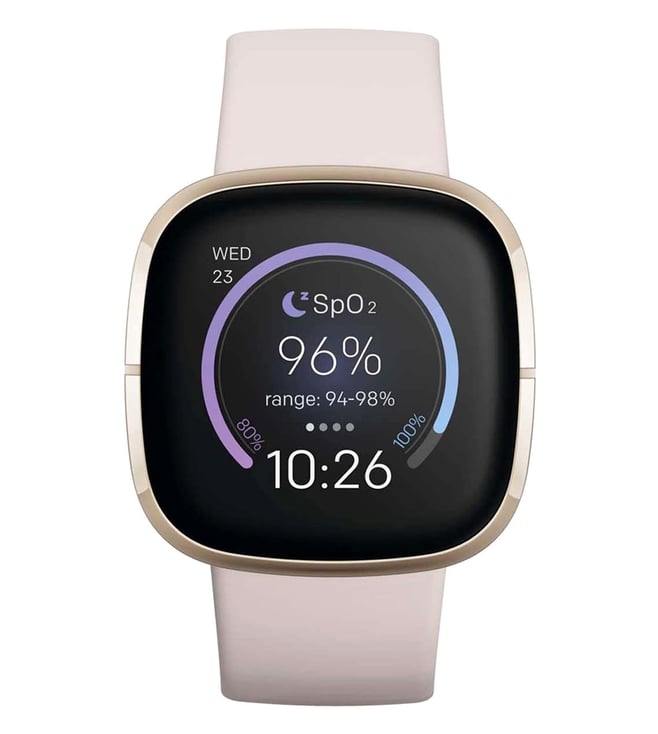
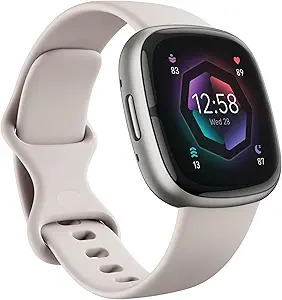
Apple vs Fitbit: Overview
Comparing Apple and Fitbit helps you determine which brand is best suited for your needs in Smart Watch. Both brands offer strong choices depending on your budget and key feature requirements.
Key Features & Comparison
Evaluate factors such as build quality, warranty, customer satisfaction, and total value before making your final purchase choice between Apple and Fitbit.
Battery Life
Battery life represents the most profound philosophical divergence between Apple and Fitbit. Apple adopts a power-intensive architecture designed to drive an interactive, fluid operating system with continuous background background compute, rich graphics, and frequent cellular/Wi-Fi handshakes. Consequently, flagship Apple Watches (Series models and SE) deliver an industry-standard 18 hours of typical use, which extends to 36 hours only under aggressive Low Power Mode. Even the rugged Apple Watch Ultra line maxes out at 36 to 72 hours under optimized conditions. This paradigm requires daily or near-daily charging intervals, compelling users to build structured top-up routines, often around morning showers or desk work, to maintain continuous overnight sleep tracking.
Conversely, Fitbit prioritizes longevity above all else, leveraging lightweight RTOS (real-time operating systems) and power-efficient microcontrollers paired with dynamic display refresh rates. Mainstream Fitbit devices, such as the Versa and Charge lines, routinely deliver between four to seven days of continuous operation on a single charge, even with 24/7 heart-rate monitoring and sleep tracking enabled. The obvious trade-off is an interface that is far less graphically rich and lacks the high-refresh fluidity of watchOS. However, for consumers who travel frequently, participate in multi-day expeditions, or simply find daily battery anxiety counterintuitive to a seamless health wearable, Fitbit offers a distinct operational advantage.
Build Quality & Durability
Apple sets the consumer electronics benchmark for premium wearable manufacturing, exhibiting meticulous tolerances, seamless sapphire or Ion-X crystal transitions, and aerospace-grade materials. The entry-to-mid tiers feature recycled aluminum cases with ceramic backings, while higher-tier configurations employ polished stainless steel and aerospace titanium. The Apple Watch Ultra elevates this durability further with an elevated bezel that shields the flat sapphire front crystal, MIL-STD 810H environmental testing, and 100-meter water resistance coupled with EN13319 dive computer certification. The digital crown and tactile buttons offer haptic-rich feedback engineered to endure millions of actuations without mechanical degradation.
Fitbit constructs dependable, lightweight hardware tailored primarily for athletic comfort rather than luxury wrist appeal. Devices like the Sense 2 and Versa 4 combine anodized aluminum chassis with Corning Gorilla Glass 3 and resin housings, keeping the total mass exceptionally low to prevent wrist fatigue during high-impact movement. While these devices feature 50-meter water resistance suitable for surface swimming, their tolerances and materials feel noticeably more utilitarian. Fitbit has also shifted from mechanical buttons to capacitive indentations or minimalist clickers, which can occasionally frustrate users attempting to register tactile inputs with sweaty hands or gloves, underscoring Apple's superior mechanical and material engineering.
Health & Fitness Tracking
Both ecosystems excel in biological sensing, but they approach data interpretation from contrasting angles. Apple treats the watch as an open medical-grade sensor array, leveraging dual-frequency GPS on Ultra models, high-performance optical heart sensors, electrical heart sensors for on-demand ECG generation, and certified sleep apnea detection. watchOS surfaces raw, granular metrics such as heart rate recovery, running power, vertical oscillation, and VO2 max without paywalls. Its algorithms are vetted against expansive clinical trials, giving physicians actionable biometric data via Apple Health. However, Apple traditionally leaves long-term lifestyle analysis, readiness scoring, and deep behavioral coaching to third-party App Store integrations.
Fitbit, now fortified by Google's health and AI divisions, is renowned for its holistic wellness interpretation, particularly in sleep stage architecture and passive recovery metrics. Fitbit’s Daily Readiness Score, cEDA-driven stress management, and Sleep Profiles synthesize vast arrays of physiological data into easily digestible, actionable insights for the average consumer. Where Fitbit stumbles is in precision sports tracking and its business model: its GPS lock-on times and sensor polling rates during high-intensity interval training (HIIT) lag behind Apple’s precision, and several of its most valuable predictive trends, advanced sleep breakdowns, and wellness reports remain locked behind the recurring Fitbit Premium subscription paywall.
Smart Features & Connectivity
When evaluated strictly as an extension of modern digital computing, the Apple Watch holds an unmatched lead in smart ecosystem integration. Operating on watchOS, it features seamless standalone LTE connectivity, ultra-wideband (UWB) digital keys, Apple Pay via NFC, Siri voice processing executed directly on-device, and a sprawling App Store filled with native applications. Users can reply to messages using full on-screen swipe keyboards, dictate audio notes, control HomeKit appliances, and interact with complex notifications natively. The trade-off is extreme ecosystem lock-in: the Apple Watch requires an iPhone for activation and full utility, making it an entirely non-viable choice for Android users.
Fitbit functions fundamentally as a focused fitness peripheral with lightweight smart capabilities layered on top. While modern Fitbit devices incorporate Google Wallet, Google Maps turn-by-turn navigation, and basic Alexa or Google Assistant voice prompts, their interactivity is constrained. App ecosystems are minimal, processing power does not support sophisticated on-device computational tasks, and notification responses are limited—offering preset quick-replies exclusively to paired Android devices, with virtually no reply capability on iOS. Nevertheless, Fitbit retains the undeniable advantage of platform neutrality, syncing equally well across both Android and iOS ecosystems without demanding that consumers align exclusively with one corporate hardware walled garden.
Compare current retail pricing, active promotions, and verified stock availability directly from authorized stores: