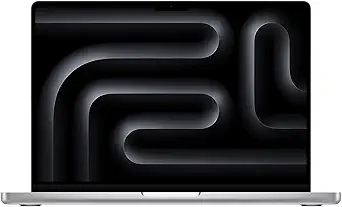
In the ever-evolving landscape of laptop computing, two industry giants, Apple and HP, stand as paragons of innovation and design. With their unwavering commitment to pushing the boundaries of technology, these brands have captivated users worldwide. As we embark on this journey of comparison, we delve into the intricacies of Apple and HP laptops, unraveling the distinct features and strengths that set them apart. Join us as we uncover which brand emerges triumphant in this epic clash of tech titans.
Key Features Comparison
Affordability
When it comes to price, HP laptops generally have a wider range of options compared to Apple laptops. HP offers a variety of models at different price points, starting from budget-friendly models like the HP Chromebook, to more premium models like the HP Spectre x360. This makes HP laptops more accessible to a wider audience, regardless of their budget. HP also frequently offers discounts and deals on their laptops, making them even more affordable. On the other hand, Apple laptops, specifically the MacBook series, are known for their high-end price tags. The MacBook Air, which is considered the entry-level model, is priced significantly higher than most mid-range HP laptops. The MacBook Pro, Apple's premium laptop model, can cost almost twice as much as high-end HP models. While Apple laptops are often praised for their build quality, innovative features, and seamless integration with other Apple devices, their high price point can be a barrier for many potential buyers. Compared to HP, Apple offers fewer models and less frequent discounts, making their laptops less affordable overall.
Battery Life
HP laptops, particularly the HP Spectre x360 models, are known for their impressive battery life. With the latest technology, these models can last up to 13 hours on a single charge, which is a significant advantage for users who need to use their laptops for extended periods without access to a power source. However, the battery life can vary depending on the specific model and usage, with high-performance tasks such as gaming or video editing significantly reducing the battery life. On the other hand, Apple laptops, specifically the MacBook Air and MacBook Pro models with the new M1 chip, have taken battery life to a new level. The MacBook Air can last up to 15 hours on a single charge, and the MacBook Pro can go up to an impressive 20 hours. This is a significant improvement over previous models and most other brands in the market, making them an excellent choice for users who need a laptop with long battery life. However, similar to HP, the battery life can vary depending on usage, and high-performance tasks can reduce it. Overall, while both brands offer laptops with good battery life, Apple's latest models with the M1 chip tend to have a longer battery life compared to HP's models.
Display
HP and Apple are two prominent brands in the laptop market, each with its unique display technologies. HP laptops, particularly in the high-end Spectre and Envy lines, often feature Full HD (1920 x 1080) or 4K (3840 x 2160) resolution displays. These displays are known for their crispness, color accuracy, and brightness, making them suitable for a wide range of applications, from professional photo and video editing to everyday web browsing. However, some users have reported glare issues with HP's glossy screens, and the color gamut coverage is not quite as wide as some competitors. On the other hand, Apple laptops, including the MacBook Air and MacBook Pro, utilize Retina Display technology. Retina Displays have a higher pixel density, meaning that individual pixels are virtually indistinguishable to the human eye at normal viewing distances. This results in extremely sharp images and text. Additionally, Apple's True Tone technology automatically adjusts the color temperature of the display based on ambient light, which can make for more comfortable viewing. However, Apple's displays are not typically as bright as some competitors, and they are known to be more expensive. Both HP and Apple offer high-quality displays, but the choice between them may come down to individual user needs and preferences.
Performance
When evaluating performance, Apple and HP represent fundamentally different architectural philosophies, with Apple currently dominating in power efficiency and integrated execution. Apple’s transition to custom Apple Silicon (the M-series chips) completely transformed mobile computing performance by combining the CPU, GPU, neural engine, and a unified memory architecture into a single system on a chip (SoC). This design grants MacBooks unprecedented memory bandwidth and virtually eliminates latency between components, allowing demanding creative workflows such as multi-stream 4K/8K video editing, audio production, and 3D rendering to run exceptionally fast. Crucially, Apple machines sustain this elite performance with minimal thermal throttling, drawing a fraction of the wattage required by traditional x86 processors, and notably deliver virtually identical benchmark speeds whether running on battery power or plugged into a wall outlet.
HP, on the other hand, relies primarily on Intel and AMD x86-based processors often paired with discrete NVIDIA GeForce or RTX graphics in their high-performance Envy, Omen, and ZBook lineups. This ecosystem provides raw, uncompromised compute ceilings, broad hardware configurability, and decisive superiority in areas where Apple's ecosystem falls short, such as high-end gaming and engineering applications heavily reliant on Windows-exclusive DirectX APIs, CAD, and specific CUDA-accelerated tasks. However, HP’s top-tier performance comes with engineering compromises: these systems require robust, high-RPM cooling solutions that can become loud under load, generate substantial chassis heat, and experience noticeable performance drops when disconnected from the AC adapter to preserve battery life. Ultimately, while Apple offers superior compute-per-watt efficiency and seamless system cohesion, HP provides a wider performance spectrum that scales higher for specialized enterprise, CAD, and gaming workloads.
Conclusion
In the battle of Apple vs. HP laptops, both brands offer compelling options tailored to different preferences and priorities. Apple excels in design, integration, and premium features, making it the ideal choice for users who value style and innovation. HP, on the other hand, shines in performance, affordability, and versatility, appealing to users who demand productivity and value for money. Ultimately, the choice between Apple and HP laptops depends on individual preferences, whether it's a preference for design and innovation or performance and affordability. Whichever path you choose, both Apple and HP continue to push the boundaries of laptop technology, driving innovation and inspiring users worldwide. So, whether you're team Apple or team HP, rest assured that the future of laptop computing is in capable hands, thanks to these two industry giants.
Compare current retail pricing, active promotions, and verified stock availability directly from authorized stores: