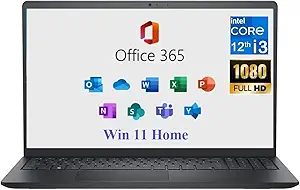
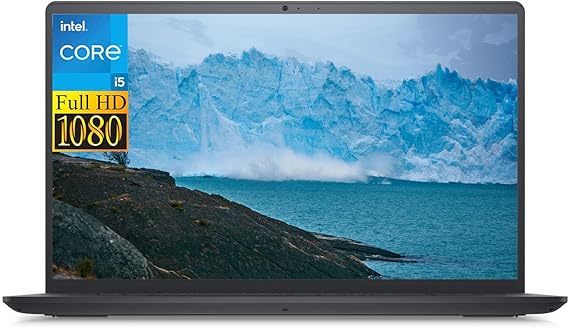
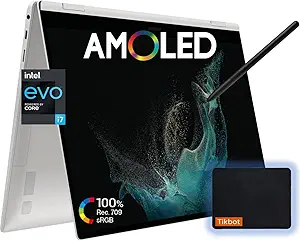
In the ever-evolving landscape of laptop technology, two juggernauts reign supreme: Dell and Samsung. These industry titans have carved out their own niches, captivating users with their innovative features, sleek designs, and top-notch performance. As we delve into this clash of giants, we uncover the distinctive characteristics of Dell and Samsung laptops, exploring which one offers the ultimate blend of style, functionality, and value.
Key Features Comparison
Affordability
When it comes to price, Dell and Samsung laptops offer a wide range of options to cater to different consumer needs. Dell laptops, renowned for their robust build and excellent customer service, tend to be slightly more expensive than their Samsung counterparts. Dell's latest models, such as the Dell XPS 13 and Dell Alienware Area-51m, are priced at a premium due to their high-end specifications and features, including 10th generation Intel Core processors, superior graphics cards, and sleek designs. However, Dell also offers budget-friendly options like the Dell Inspiron series, which is popular among students and casual users. On the other hand, Samsung laptops, known for their sleek design and innovative features, offer a more affordable range. The Samsung Galaxy Book Flex and Galaxy Book Ion, for example, are competitively priced and come with features like QLED displays and wireless PowerShare. However, while Samsung laptops are generally cheaper, they may not offer the same level of performance as some of the high-end Dell models, especially for resource-intensive tasks like gaming or video editing. It's also worth noting that Samsung's customer service and after-sales support are not as highly rated as Dell's. Therefore, while Samsung may offer more affordable options, Dell's pricing can often be justified by its superior performance and customer support.
Battery Life
Dell laptops, particularly the Dell XPS and Dell Latitude series, have been praised for their impressive battery life. The Dell XPS 13, which comes with the latest 11th generation Intel processors, boasts a battery life of up to 14 hours for web browsing, and up to 8 hours for video streaming. This is due to Dell's advanced battery technology and power-efficient processors. However, one downside is that the battery life can significantly decrease with heavy usage and over time. On the other hand, Samsung laptops, such as the Samsung Galaxy Book Flex and Samsung Galaxy Book Ion, have also shown commendable battery performance. The Galaxy Book Flex, equipped with a 10th generation Intel Core processor, claims to offer up to 20 hours of battery life. This is largely due to Samsung's QLED technology and power-efficient design. However, similar to Dell, the battery life can reduce with intensive tasks and over time. When compared to other brands, both Dell and Samsung offer competitive battery life, but the actual performance can vary based on the specific model and usage conditions.
Display
Dell laptops are renowned for their high-quality display. Many of their models, such as the Dell XPS 15, come with a 4K Ultra HD (3840 x 2160) InfinityEdge touch display, providing users with a sharp, detailed, and vibrant visual experience. The anti-reflective screen combined with a superior 500-nit brightness frees you to enjoy your entertainment outdoors. However, some users have reported that the color accuracy on Dell laptops isn't always the best, which could be a downside for graphic designers or digital artists. On the other hand, Samsung laptops like the Samsung Galaxy Book Flex feature a QLED (Quantum dot LED) display. This technology offers a more vivid and brighter display compared to traditional LED screens. The Quantum Dot technology can produce more than a billion shades of color, providing a more dynamic and vibrant display. It also has a built-in sensor that optimizes the color tone depending on your surroundings for optimal viewing. However, while Samsung's QLED technology does offer a high-quality display, it can sometimes lead to oversaturated colors, which might not be ideal for users who prefer a more neutral or accurate color palette. Compared to Dell, Samsung's display technology is more advanced, but the choice between the two would depend on the user's specific needs and preferences.
Performance
When evaluating performance, Dell operates with a significant advantage in hardware diversity and peak compute power, engineered to serve audiences ranging from casual users to demanding enterprise specialists. Dell's portfolio spans high-efficiency XPS notebooks up to specialized Alienware gaming systems and Precision workstations that house desktop-class Intel Core or AMD Ryzen CPUs and high-wattage NVIDIA RTX GPUs. Dell’s high-end designs feature robust vapor chamber cooling, multi-fan arrays, and generous thermal design power (TDP) targets. This thermal headroom enables Dell laptops to sustain prolonged compute-heavy workflows, such as 3D rendering, machine learning modeling, and 4K video encoding, without succumbing to aggressive thermal throttling as quickly as more compact alternatives.
Conversely, Samsung focuses its performance profile on the ultraportable and 2-in-1 segment through its Galaxy Book lineup, prioritizing battery efficiency, burst responsiveness, and thin-and-light chassis ergonomics over sheer, sustained raw compute. Equipped with modern Intel Core Ultra processors and integrated Intel Arc or mid-tier discrete NVIDIA graphics, Samsung machines deliver rapid responsiveness for everyday productivity, lightweight multitasking, and digital media manipulation. However, due to their remarkably slender form factors, Samsung laptops are engineered with stricter thermal thresholds and lower sustained TDP ceilings. While this design ensures quiet operation and cooler lap temperatures, users running intensive, prolonged workloads will find that Dell provides a broader spectrum of sustained processing power and professional-grade performance optimization.
Conclusion
In the battle of Dell vs. Samsung laptops, both brands offer compelling options tailored to different preferences and priorities. Dell excels in durability, reliability, and performance, making it the ideal choice for professionals and business users who demand the utmost in productivity. Samsung, on the other hand, shines in design, innovation, and affordability, appealing to users who value style, versatility, and value for money. Ultimately, the choice between Dell and Samsung laptops depends on individual preferences, whether it's a preference for reliability and performance or style and innovation. Whichever path you choose, both Dell and Samsung continue to push the boundaries of laptop technology, driving innovation and inspiring users worldwide. So, whether you're team Dell or team Samsung, rest assured that the future of laptop computing is in capable hands, thanks to these two industry giants.