Asus vs LG: Overview
Comparing Asus and LG helps you determine which brand is best suited for your needs in Laptops. Both brands offer strong choices depending on your budget and key feature requirements.
Key Features & Comparison
Evaluate factors such as build quality, warranty, customer satisfaction, and total value before making your final purchase choice between Asus and LG.
Affordability
When evaluating affordability, Asus presents one of the most comprehensive pricing ladders in the computing industry, catering to budget-conscious students, mid-tier mainstream users, and high-end enthusiasts alike. Through its extensive sub-brands like Vivobook and TUF Gaming, Asus systematically reduces consumer entry barriers by offering functional, cost-effective machines starting under $500. This aggressive price-to-performance ratio is achieved through scalable manufacturing and flexible component integration, giving consumers granular control over their purchase based on exact hardware requirements without paying a heavy premium for boutique brand equity.
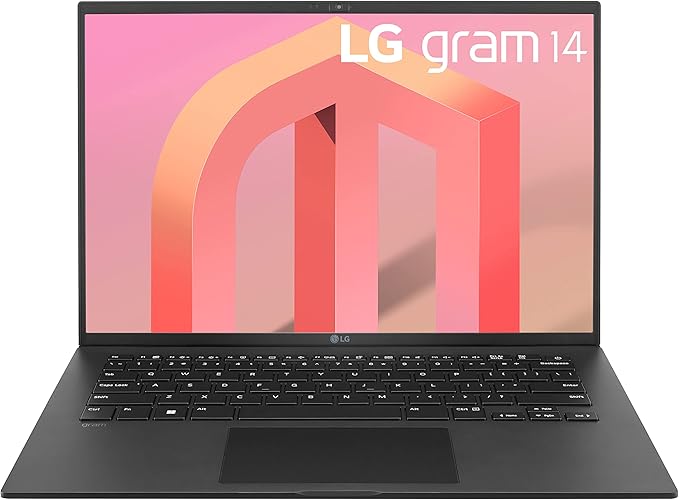
In contrast, LG takes a decidedly premium approach by anchoring its consumer presence almost entirely to the Gram series, inherently limiting its budget accessibility. LG's base configurations typically command a starting price well above the mainstream average, reflecting the specialized engineering costs associated with ultra-lightweight magnesium alloy chassis and high-density battery development. While LG delivers remarkable value in terms of weight-to-screen ratio, it lacks an economy-tier catalog. Consequently, consumers seeking entry-level affordability or low-cost dedicated graphics options will find Asus significantly more accessible, whereas LG appeals strictly to buyers with mid-to-high budget allocations.
Battery Life
Battery performance reveals fundamentally contrasting design philosophies, with LG universally recognized as an endurance benchmark due to its obsessive engineering focus on longevity. The LG Gram lineup routinely incorporates massive 72Wh to 90Wh batteries inside featherweight chassis, coupled with intelligent firmware and power-sipping Intel Core processors. In everyday productivity scenarios, LG laptops effortlessly yield between 14 to 20 hours of real-world use, making them virtually unmatched for business travelers and mobile professionals who prioritize working an entire day untethered from AC power adapters.
Asus exhibits much wider variance across its battery spectrum, largely because its portfolio emphasizes raw power and multifaceted display technologies. While ultraportable Asus models like the Zenbook series achieve respectable 10 to 14-hour operational thresholds with optimized battery capacities, Asus frequently includes high-drain OLED panels and discrete GPUs that significantly increase power consumption. For users demanding absolute maximum endurance per charge without operational compromise, LG remains the undisputed champion, whereas Asus requires consumers to meticulously select specific sub-configurations to achieve competitive runtimes.
Display
In visual technology, Asus holds a decisive market advantage through its industry-leading adoption of OLED display panels under the 'Asus Lumina OLED' initiative. Across both premium Zenbooks and accessible Vivobooks, Asus democratized ultra-vibrant contrast ratios, true inky blacks, VESA DisplayHDR certification, and 100% DCI-P3 color gamuts. Furthermore, Asus regularly equips its panels with 120Hz refresh rates and advanced color-calibration profiles, providing graphic designers, content creators, and gamers with exceptional visual fidelity, low blue-light hardware emissions, and blistering response times.
LG counters with exceptionally clean, color-accurate IPS panels, prioritizing anti-glare usability, productivity aspect ratios, and battery conservation. While LG Gram screens offer crisp WQXGA (2560x1600) resolutions, modern 16:10 dimensions, and comprehensive DCI-P3 coverage, the brand has been much slower to integrate OLED or mini-LED technologies across its flagship line. LG's displays are engineered for long office hours with minimal eye fatigue and reflection, yet they lack the intense dynamic contrast, rapid pixel response, and immersive punch that make Asus panels the preferred choice for creative and multimedia-heavy workflows.
Performance
Asus leads the performance vertical through pure hardware versatility, aggressive thermal engineering, and partnerships spanning both Intel and AMD architectures. From specialized ROG gaming rigs to dual-screen Zenbook Pro Duo workstations, Asus engineers sophisticated cooling solutions—including vapor chambers, liquid metal thermal interface material, and active aerodynamic systems—that allow CPUs and dedicated NVIDIA GeForce RTX GPUs to sustain peak wattage without catastrophic thermal throttling. This makes Asus a premier destination for gamers, 3D modelers, and video editors demanding unrestricted multi-core processing power.
LG, conversely, designs the Gram lineup strictly around ultralight mobility, which necessitates deliberate thermal and wattage limitations. Because LG chassis are exceptionally thin and light, their cooling configurations utilize compact heat pipes and diminutive fans designed for quiet, conservative operation. While LG laptops effortlessly handle productivity suites, software development, and 4K media playback, prolonged multi-threaded rendering or sustained graphical compute quickly triggers thermal throttling. Buyers prioritizing sustained peak throughput, high-tier GPU acceleration, and heavy creative computation will find Asus dramatically superior to LG’s low-power, mobility-optimized architecture.
Compare current retail pricing, active promotions, and verified stock availability directly from authorized stores:
Compare current retail pricing, active promotions, and verified stock availability directly from authorized stores: