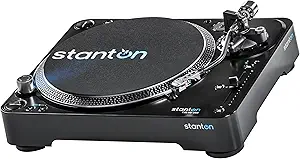
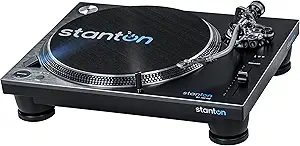
Audio-Technica vs Stanton: Overview & Brand Philosophy
In the realm of vinyl playback, few names command as much immediate recognition across both domestic and professional spaces as Audio-Technica and Stanton. Audio-Technica, founded in Tokyo in 1962 by Hideo Matsushita, built its foundational reputation on hand-crafted phono cartridges before expanding into world-class studio microphones, headphones, and complete turntable systems. The Japanese company’s philosophy is anchored in high-fidelity precision, engineering balance, and accessible audio democratization. Audio-Technica designs its turntables to serve a massive continuum of listeners, ranging from budget-conscious vinyl novices looking for plug-and-play convenience to serious audiophiles demanding meticulous acoustic dampening and high-spec tracking.
Conversely, Stanton boasts a lineage fundamentally intertwined with the history of DJ culture and rugged professional performance. Founded in the United States in 1946 by Walter O. Stanton—the inventor of the easily replaceable phonograph stylus—the brand quickly became synonymous with the dance music movement, club installations, and turntablism. Stanton’s engineering ethos prioritizes extreme physical resilience, high-torque direct-drive motor performance, and tactile control tailored for scratching, back-cueing, and real-time pitch manipulation. Rather than focusing heavily on delicate acoustic nuances in quiet listening rooms, Stanton developed a reputation for building bulletproof workhorse machines capable of enduring rigorous touring environments and intense club usage.
Today, both brands occupy distinct yet overlapping market territories. Audio-Technica has evolved into the dominant commercial powerhouse in consumer analog playback, while still offering professional DJ decks like the AT-LP140XP. Stanton, following corporate acquisitions under the inMusic umbrella, continues to leverage its historic DJ heritage to deliver specialized decks aimed primarily at performers, scratch artists, and vinyl enthusiasts who demand industrial-grade direct-drive mechanics over minimalist domestic audio design.
Key Differences & Technological Comparison
The primary technological divergence between Audio-Technica and Stanton lies in drive mechanisms and intended application architecture. Audio-Technica offers a vast, diversified portfolio that spans entry-level belt-drive models (such as the ubiquitous AT-LP60X series) up to high-torque, manual direct-drive platforms (like the AT-LP120X and LP140XP). Belt-drive systems isolate motor vibrations from the platter, resulting in reduced mechanical noise and lower wow-and-flutter for critical listening. In contrast, Stanton almost exclusively dedicates its engineering prowess to high-torque direct-drive motors, exemplified by legacy icons like the STR8-150 and modern iterations like the T.92 M2. These direct-drive engines deliver instantaneous startup speeds and relentless rotational consistency under physical drag, which is essential for performance mixing but prone to introducing slight mechanical rumble if not meticulously isolated.
Tonearm design represents another critical point of differentiation. Audio-Technica predominantly employs balanced S-shaped and static balanced straight tonearms configured with adjustable counterweights, anti-skate mechanisms, and standard 1/2-inch mount removable headshells. These tonearms are optimized to maximize tracking accuracy and minimize inner-groove distortion across a wide array of high-compliance cartridges. Stanton frequently incorporates proprietary straight, "skip-proof" tonearms alongside traditional S-shaped variants. Stanton’s straight arms feature zero offset angle, engineered specifically to prevent the needle from jumping out of the groove during aggressive scratching, though this comes at the expense of higher horizontal tracking error and potential record wear during extended high-fidelity playback.
In terms of internal audio electronics and connectivity, Audio-Technica leads the market in digital integration for modern consumers. Many Audio-Technica models feature switchable internal phono preamps, USB analog-to-digital converters for vinyl archiving, and even aptX Bluetooth streaming capabilities. Stanton units are designed around stage versatility, often integrating key lock (master tempo), broad selectable pitch ranges (±8%, ±12%, ±25%, ±50%), dual start/stop buttons for battle configurations, and robust digital S/PDIF outputs designed to interface directly with professional audio mixers and sound cards without degradation.
Pros & Cons Comparison
Audio-Technica: Pros
- Vast portfolio ranging from ultra-affordable entry-level decks to high-end audiophile gear.
- World-class native cartridge ecosystem (VM95 series) offering exceptional out-of-the-box tracking and sound quality.
- Modern convenience features including Bluetooth output, USB archiving, and switchable preamps.
- Refined acoustic isolation and low-noise motor design tailored for critical home listening.
Audio-Technica: Cons
- Plastics used on entry-level models (LP60X series) feel lightweight and prone to external resonance.
- DJ-oriented models offer slightly lower motor starting torque compared to dedicated industrial battle decks.
Stanton: Pros
- Extremely high-torque direct-drive motors capable of instant startup and smooth manipulation.
- Tank-like construction with heavy steel and rubber dampening designed to survive demanding environments.
- Performance-focused features such as extended pitch adjustment ranges, reverse play, and key lock.
- Straight tonearm options provide virtually skip-proof performance for scratch DJs.
Stanton: Cons
- Straight-arm models produce higher tracking distortion, making them less ideal for pure hi-fi listening.
- Limited consumer catalog; virtually no options for casual, fully automated plug-and-play living room listening.
- Substantially heavier, bulkier industrial footprints that do not easily blend into minimalist home decor.
Performance, Durability & Value Analysis
When evaluating performance longevity, Stanton turntables generally hold an edge in sheer structural durability. The brand historically employs solid steel base construction, reinforced top plates, and ruggedized rubber dampening designed to absorb massive club bass vibrations without feeding back through the stylus. A Stanton deck can often survive drops, rough transport, and thousands of hours of aggressive back-cueing without mechanical motor failure. However, from a pure acoustic performance metric—characterized by signal-to-noise ratio, channel separation, and low harmonic distortion—Audio-Technica delivers a cleaner, more neutral baseline. Audio-Technica's factory-fitted Dual Moving Magnet cartridges extract far greater detail and dynamic range from vinyl grooves than the heavy-tracking, high-output broadcast needles typically bundled with performance-oriented Stanton units.
From a consumer value perspective, Audio-Technica provides superior versatility across every price bracket. For under $200, an entry-level Audio-Technica gives casual consumers an accessible, record-safe playback platform, while their mid-tier offerings (such as the AT-LP120XUSB) dominate the sub-$400 market by delivering 85% of professional DJ performance alongside stellar domestic hi-fi functionality. Stanton, while maintaining exceptional value for gigging DJs who require near-Technics SL-1200 motor torque at a fraction of the cost, provides diminishing returns for users who simply want to spin full LP sides in an acoustic listening environment without worrying about tracking angles, counterweight over-adjustments, or excessive footprint size.
Final Verdict: Which Brand Should You Choose?
Your choice between Audio-Technica and Stanton ultimately comes down to whether your primary priority is acoustic fidelity and everyday versatility, or performance manipulation and industrial durability.
Choose Audio-Technica if: You are an everyday music lover, an aspiring audiophile, or someone who views vinyl playback primarily as a personal, high-fidelity experience. Audio-Technica is the undisputed victor for home listening setups, offering broader connectivity options (USB, line-out preamps, Bluetooth), more delicate tonearm geometry that protects your vinyl collection over time, and superior bundled cartridges that deliver vibrant, accurate sound reproduction right out of the box.
Choose Stanton if: You are a club DJ, scratch enthusiast, bedroom turntablist, or someone who values nearly indestructible build quality above all else. If you require massive motor torque that will not bog down under the weight of your hand, ultra-wide pitch faders for creative beatmatching, or skip-proof tracking during aggressive tactile use, Stanton remains an enduring, performance-ready investment.
Affordability
When evaluating affordability, Audio-Technica and Stanton approach value engineering from fundamentally different consumer perspectives. Audio-Technica has mastered the entry-to-mid-tier domestic market, offering an exceptionally wide pricing spectrum that accommodates everything from ultra-budget consumer decks like the AT-LP60X to prosumer audiophile models like the AT-LP120XUSB and AT-LP5X. By utilizing integrated switchable phono preamps, mass-produced yet reliable belt- and direct-drive assemblies, and bundling capable proprietary moving magnet cartridges (such as the AT-VM95E), Audio-Technica minimizes the hidden costs of vinyl ownership. Their economy of scale allows them to deliver lower initial buy-in costs without forcing the user into immediate supplementary gear purchases, offering exceptional out-of-the-box utility that maximizes per-dollar value for casual listeners and budding enthusiasts alike.
Stanton, by contrast, targets the professional and performance DJ niche, which inherently shifts its affordability baseline toward higher initial price points with a focus on rugged utilitarianism rather than domestic hi-fi value. Even Stanton's baseline offerings, such as the T-series (T.62, T.92) and the modern STR8.150 series, carry higher price tags due to heavy-duty engineering requirements: high-torque direct-drive motors, reinforced dual-layer steel chassis designed to resist external vibration, straight scratch-oriented tonearms, and reverse playback capabilities. Consequently, Stanton's affordability cannot be measured by a sub-$150 entry point, but rather through long-term component durability and mechanical resilience under harsh, performance-driven conditions. The practical trade-off is that casual listeners pay a steep premium for high-torque motors and heavy physical dampening they will never fully utilize, while lacking the consumer-friendly features standard on lower-cost Audio-Technica units.
Ultimately, Audio-Technica easily claims superior affordability for traditional playback, personal audio setups, and cost-conscious vinyl newcomers due to its comprehensive catalog, lower barrier to entry, and fully integrated ecosystem. Stanton only presents an economical alternative within the hyper-specific context of professional scratch and mix DJing, where their robust chassis design and resilient internal motor architectures provide a competitive, lower-cost alternative to legacy industry-standard hardware like the Technics SL-1200 series. For the vast majority of consumers, Audio-Technica achieves the superior balance of accessible upfront pricing, low ancillary gear costs, and competent audio engineering.
Sound Quality
When evaluating sound quality, Audio-Technica holds a commanding advantage for audiophiles and casual vinyl enthusiasts due to its foundational heritage in phono cartridge engineering. Models like the AT-LP120XUSB and the belt-driven AT-LP60X utilize the brand’s acclaimed Dual Moving Magnet (VM) cartridge series—most notably the AT-VM95E—which delivers pristine high-frequency extension, articulate mid-range presentation, and a wide, cohesive stereo image. Audio-Technica’s hi-fi focused turntables are engineered with low-resonance plinths and precision-damped aluminum platters that minimize wow and flutter, yielding a neutral and transparent acoustic baseline. Additionally, the preamps integrated into modern Audio-Technica decks are well-shielded, ensuring a high signal-to-noise ratio that preserves subtle micro-dynamics without imparting excessive harmonic distortion or unwanted floor hum.
Conversely, Stanton approaches sound reproduction through the lens of professional DJing, where acoustics are engineered for maximum durability, output, and low-end authority rather than absolute sonic neutrality. Legendary decks like the STR8-150 and T.92 are constructed with heavy-duty high-torque direct-drive motors and robust industrial chassis that excel at rejecting external vibrations and acoustic feedback in bass-heavy club environments. While this yields a punchy, upfront bass response and crisp, forward transients, it introduces noticeable trade-offs for traditional listening. The high-output DJ cartridges typically paired with Stanton turntables feature stiffer cantilevers and higher tracking forces, which can blunt extreme high-frequency shimmer and compress dynamic range during subtle acoustic passages. Furthermore, the straight tonearms found on many performance-oriented Stanton units are optimized for scratch tracking stability rather than tracking-angle precision, often resulting in slightly higher inner-groove distortion compared to Audio-Technica’s s-shaped or straight-offset hi-fi arms.
Ultimately, the sound quality comparison hinges on the listening environment and acoustic priorities. Audio-Technica provides a superior, nuanced home-listening experience characterized by tonal accuracy, depth, and broad cartridge upgradeability that caters to high-fidelity audio systems. Stanton remains a powerful niche contender, offering a robust, punchy sound signature backed by immense isolation and motor stability, making it ideal for performance applications where dynamic punch and feedback immunity take precedence over micro-detail resolution.
Features & Functionality
When evaluating features and functionality in the turntable market, Audio-Technica and Stanton serve overlapping yet distinctly prioritized consumer bases. Audio-Technica excels by offering a vast, versatile ecosystem engineered to bridge the gap between high-fidelity home listening and entry-to-mid-level DJing. Across their lineup—anchored by the ubiquitous AT-LP120XUSB and the audiophile-grade AT-LP5X—the brand emphasizes integrated convenience and sonic precision. Technical strengths include switchable built-in phono preamplifiers, direct USB outputs for digital vinyl ripping, and the inclusion of high-performance Dual Moving Magnet cartridges from their own renowned VM95 series. Additionally, Audio-Technica provides a balanced spectrum of drive mechanisms, from smooth belt-drive systems designed to isolate motor resonance for casual listeners to direct-drive motors equipped with variable pitch controls, forward/reverse play, and quartz-locked speed accuracy for enthusiasts.
Conversely, Stanton’s engineering philosophy is anchored almost exclusively in performance DJ culture, prioritizing brute-force mechanical functionality over broad consumer versatility. Iconic models like the STR8-150 and T.92 emphasize extreme mechanical reliability under high stress. Stanton turntables stand out with their ultra-high torque, direct-drive motors—often exceeding the rotational force found in competing Audio-Technica decks—which prevents drag during aggressive cueing and scratching. Their feature set reflects this club-ready DNA, showcasing ultra-stable straight tone arms (engineered specifically for skip resistance rather than pure tracking geometry), dual start/stop buttons for battle-style positioning, digital S/PDIF outputs, and wide-range pitch sliders operating up to ±50%. While Stanton models occasionally offer digital connectivity, they omit the consumer-oriented automatic functions, delicate tonearm dampening, and nuanced cartridge options that define high-fidelity domestic playback.
Ultimately, the practical trade-offs come down to tracking fidelity versus physical performance tolerance. Audio-Technica delivers a richer, more adaptable feature set for users who want effortless setup, pristine cartridge upgrade paths, and analog-to-digital archiving versatility without sacrificing mechanical competence. However, their consumer-grade direct-drive motors cannot match the start-up velocity and skip-proof tracking of a heavy-duty Stanton deck. Stanton delivers peerless functionality for turntable musicians, scratch artists, and gigging DJs who require tank-like build quality and high-torque manipulation, but they sacrifice the refined acoustic engineering and broad domestic utility that makes Audio-Technica the more functional all-rounder for most audio enthusiasts.
Ease of Use & Setup Processes
When evaluating the ease of use and initial setup processes, Audio-Technica consistently outperforms Stanton for the broader consumer and home-audio market. Audio-Technica engineers its consumer catalog—spanning from the entry-level AT-LP60X up to the mid-tier AT-LP120XUSB—with straightforward onboarding in mind. Many of their entry models feature factory-aligned cartridges, preset tracking forces, and integrated phono preamplifiers, allowing plug-and-play simplicity straight out of the box. Even on their manual, direct-drive models, Audio-Technica includes pre-mounted headshells and explicit, step-by-step counterweight calibration guides that minimize the intimidation factor for vinyl novices. The inclusion of versatile connectivity options, such as switchable line outputs, USB interfaces, and Bluetooth pairing, eliminates the friction of sourcing external preamps or receivers, making Audio-Technica exceptionally accessible for casual listeners and hobbyists alike.
In contrast, Stanton primarily tailors its turntable architecture to the performance-driven DJ sector, which inherently shifts the setup paradigm toward technical precision over casual convenience. Decks like the Stanton T.62 or the high-torque ST.150 require a more hands-on calibration process, frequently necessitating manual cartridge alignment, complex tonearm height (VTA) adjustments, and precise anti-skate configuration right from the start. Furthermore, Stanton decks routinely feature straight tonearms engineered specifically to resist groove skipping during scratching and back-cueing. While this design is operationally ideal for turntablists, it demands meticulous needle setup to avoid premature record wear and tracking distortion, representing a steep learning curve for everyday listeners. Stanton also prioritizes industrial durability over lifestyle-oriented convenience features, rarely offering consumer-friendly perks like automatic tonearm lift, return functionality, or integrated wireless streaming.
Ultimately, the practical trade-offs regarding setup and daily operation reflect distinct engineering priorities. Audio-Technica trades specialized performance resilience for consumer workflow efficiency, creating systems that require minimal technical proficiency to achieve balanced acoustic fidelity within minutes. Stanton trades away out-of-the-box simplicity to offer granular, mechanical adjustability that rewards experienced DJs who require rigid stability under high-stress playback conditions. For users seeking an uncomplicated setup that integrates seamlessly into a modern home audio environment, Audio-Technica holds a definitive operational advantage; conversely, Stanton caters to users willing to navigate an involved setup in exchange for tactile, pro-audio versatility.