




Lasko vs Duraflame: Overview
Comparing Lasko and Duraflame helps you determine which brand is best suited for your needs in Heaters. Both brands offer strong choices depending on your budget and key feature requirements.
Key Features & Comparison
Evaluate factors such as build quality, warranty, customer satisfaction, and total value before making your final purchase choice between Lasko and Duraflame.
Features
From a technical feature standpoint, Lasko units lean heavily into functional automation and digital environmental controls. Most Lasko tower and ceramic models feature multi-function remote controls, wide-angle internal oscillation mechanisms, and programmable digital thermostats that cycle the heating elements to maintain specific ambient temperatures. Their proprietary Save-Smart technology automatically regulates fan speed and wattage consumption to minimize utility overhead. Safety engineering is also prominently integrated via cool-touch housings, internal tip-over switches, and automatic thermal overload protection, making their appliances well-suited for high-traffic environments and active households.
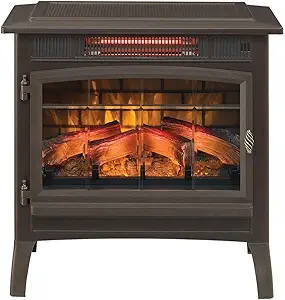
Duraflame differentiates its feature set by emphasizing optical customization and advanced thermal wave delivery. At the core of premium Duraflame appliances is their patent-pending 3D Flame Effect technology, which offers adjustable brightness, color spectrums, and flicker speeds that can operate independently of the heating element. From a thermal standpoint, Duraflame integrates infrared quartz tube assemblies paired with Safer Plug and Safer Sensor technologies—advanced thermal monitors that automatically shut the unit down if electrical plug temperatures surge. While Duraflame models typically lack the multi-directional mechanical oscillation found in Lasko towers, they compensate with customizable aesthetic features and superior electrical connection fail-safes.
Performance
The thermal performance of these two brands reflects divergent underlying heating technologies. Lasko predominantly utilizes positive temperature coefficient (PTC) ceramic heating elements backed by high-velocity squirrel-cage blowers. This design excels at rapid convective heat transfer, drawing in ambient cold air, passing it over heated ceramic fins, and projecting it forward across the room. Because of this active convection, Lasko heaters raise local air temperatures very quickly, but the continuous exposure of room air to high-temperature elements can noticeably deplete indoor humidity, often resulting in the dry atmosphere characteristic of conventional space heaters.
Duraflame, by contrast, frequently employs infrared quartz heating elements rated around 5,200 BTUs, designed to produce radiant heat rather than purely convective air currents. Infrared waves warm objects, surfaces, and people directly without stripping natural moisture from the surrounding air, yielding a more comfortable, humid warmth over long durations. While a Duraflame infrared unit might take longer to alter the ambient air reading of an entire room compared to a forced-air Lasko ceramic tower, its sustained zone heating capability covers up to 1,000 square feet with gentle, evenly distributed thermal energy that avoids hot-and-cold cycling.
Design
Lasko’s design language is defined by compact footprints, high-impact polymers, and contemporary verticality. By favoring tower and oscillating pedestal geometries, Lasko minimizes floor footprint, making their appliances exceptionally easy to integrate into tight spaces, dorm rooms, and home offices. Integrated carrying handles and lightweight plastic assemblies facilitate seamless transport between rooms. However, the heavy reliance on injection-molded plastics gives Lasko heaters an explicitly functional, appliance-like aesthetic that blends into contemporary functional spaces rather than serving as a visual accent.
Duraflame prioritizes classic furniture-grade design, utilizing stamped metal cabinetry, beveled glass panels, and detailed composite wood surrounds to evoke the warmth of an authentic hearth. The visual centerpiece is the simulated combustion chamber, complete with glowing log sets and ember beds. This construction yields significant visual and tactile weight, firmly rooting Duraflame heaters as permanent or semi-permanent fixtures in living rooms, dens, or bedrooms. The trade-off is a distinct lack of casual portability; Duraflame models are heavier, bulkier, and require dedicated floor space, but they reward the homeowner by serving as an attractive decorative centerpiece rather than a mere utility appliance.
Compare current retail pricing, active promotions, and verified stock availability directly from authorized stores: