Nexar vs Rexing: Overview
Comparing Nexar and Rexing helps you determine which brand is best suited for your needs in Dash Cams. Both brands offer strong choices depending on your budget and key feature requirements.
Key Features & Comparison
Evaluate factors such as build quality, warranty, customer satisfaction, and total value before making your final purchase choice between Nexar and Rexing.
Features
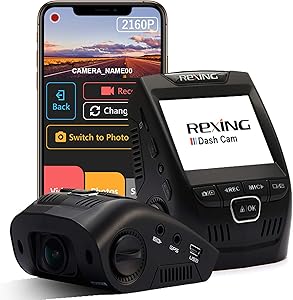
Rexing emphasizes hardware-driven functionality, offering units with multi-lens arrays that support simultaneous 3-channel recording, built-in GPS loggers, supercapacitor power supplies for extreme temperature resistance, and advanced driver assistance systems (ADAS). Many Rexing models incorporate physical display screens directly onto the chassis, allowing users to alter configurations, format memory cards, and review incident playback immediately without interacting with a mobile app. Additionally, Rexing dash cams often support massive external storage limits, providing extensive offline recording loops before overwriting past data.
Nexar shifts the feature battleground entirely to the software and telematics domain. By integrating intelligent incident detection algorithms, Nexar systems automatically create 1-click insurance reports complete with impact data, video evidence, and speed metrics. Features like Live Stream, parked car alerts sent directly to your phone via optional LTE modules, and unlimited cloud backup of detected incidents make Nexar exceptionally proactive. While it lacks the multi-lens breadth and granular menu settings found in Rexing's catalog, Nexar delivers unmatched ease of access, rapid clip trimming, and frictionless social or legal sharing straight from an iOS or Android device.
Performance
In terms of raw optical performance and video fidelity, Rexing frequently has the upper hand across technical specifications. Many of their upper-tier models boast native 4K UHD sensors, wide dynamic range (WDR) processing, and Sony STARVIS image sensors capable of capturing high-contrast license plates and low-light road signs. The inclusion of supercapacitors rather than standard lithium batteries drastically improves thermal stability, ensuring continuous operation under extreme desert heat or sub-zero winter temperatures where cheaper hardware might suffer from frame drops or critical failure.
Nexar's performance is optimized around real-time connectivity and intelligent data streaming rather than raw 4K throughput. Most Nexar cameras record in 1080p Full HD or QHD (2K), prioritizing manageable file sizes that can transfer rapidly over local 5GHz Wi-Fi directly to the driver's phone while on the road. While Nexar's nighttime exposure and software-enhanced dynamic range are competent for daily commuting and fault attribution in accidents, severe optical sharpness can lag slightly behind Rexing's top-tier optics. However, Nexar's consistency in capturing incident telemetry and ensuring that critical clips survive in the cloud provides an alternative layer of operational peace of mind.
Design
Rexing's industrial design language is heavily geared toward covert, functional vehicle integration. Characterized by their signature wedge shape, many Rexing dash cams sit flush against the windshield, allowing them to tuck neatly behind the rearview mirror with minimal intrusion into the driver's field of vision. This angular geometry helps diffuse heat efficiently and avoids the conspicuous look of a hanging suction-cup mount. The presence of physical tactile buttons and integrated LCD screens makes their units feel like robust, dedicated automotive appliances that do not distract while driving.
Nexar embraces a sleek, minimalist aesthetic heavily influenced by modern consumer electronics design. Most Nexar units—such as the Beam and Pro series—are compact, screenless cylinders or streamlined pucks designed to eliminate cabin distractions entirely. By offloading user interaction, menu navigation, and viewing to the smartphone, Nexar creates an exceptionally clean cockpit installation. Their mounting brackets and magnetic snap-on interfaces are ergonomically superior for drivers who need to dock and undock the camera regularly, whereas Rexing mounts favor semi-permanent adhesive placements optimized for long-term stability.
Compare current retail pricing, active promotions, and verified stock availability directly from authorized stores: