Thermomate vs VANSTON: Overview
Comparing Thermomate and VANSTON helps you determine which brand is best suited for your needs in Cooktops. Both brands offer strong choices depending on your budget and key feature requirements.
Key Features & Comparison
Evaluate factors such as build quality, warranty, customer satisfaction, and total value before making your final purchase choice between Thermomate and VANSTON.
Features
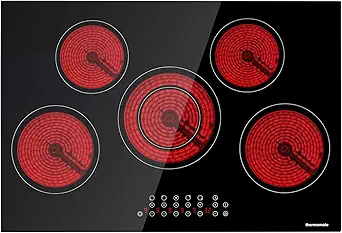
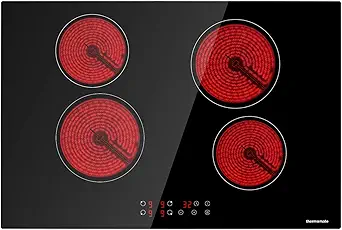
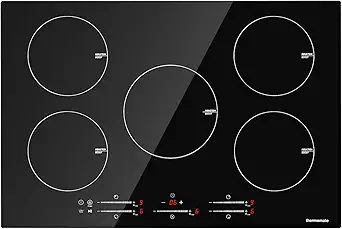
From a functional standpoint, Thermomate equips its cooktops with practical, user-centric technologies designed to facilitate daily cooking tasks without a steep learning curve. In its induction and radiant electric lines, you will find independent digital countdown timers (typically up to 99 minutes), direct-access touch controls, child safety locks, and integrated residual heat warnings. Thermomate’s gas offerings often include thermocouple flame failure protection and heavy-duty cast-iron grates that support varied cookware footprints, emphasizing baseline safety and straightforward usability.
VANSTON, on the other hand, frequently integrates more specialized controls aimed at fine-tuned culinary execution. Its electric and induction models often feature extended power levels—sometimes offering up to 9 or 10 granular step-adjustments per zone—alongside dedicated boost functions, automatic pan-detection sensors, and intuitive slider touch controls rather than basic stepped tap-buttons. While Thermomate prioritizes robust fundamental features that rarely falter, VANSTON delivers a higher degree of granular control and automation that caters to users seeking a more tech-forward cooking environment.
Performance
Thermal performance is an area where engineering differences between the two brands become apparent under sustained cooking loads. Thermomate cooktops deliver consistent, predictable heating profiles, with induction models offering rapid boiling and radiant units maintaining steady thermal transfer across their heating coils. However, when multiple burners are operated simultaneously at high thresholds, Thermomate units sometimes throttle power between paired zones to prevent circuit overload, leading to minor fluctuations during heavy simultaneous cooking tasks.
VANSTON cooktops often exhibit superior instantaneous thermal output, utilizing robust electromagnetic coils and efficient burner manifolds that achieve faster rolling boils and more aggressive high-heat sears. In gas configurations, VANSTON burner heads are optimized for high-BTU distribution, providing focused wok-style heat alongside ultra-low simmer caps. In induction, VANSTON manages internal thermal dissipation effectively via well-ventilated fan architectures, allowing for sustained high-wattage throughput with minimal cycling drops, making it the stronger performer for high-demand, multi-course meal preparation.
Design
In terms of industrial design, Thermomate focuses on clean, utilitarian aesthetics designed for universal adaptability. Its drop-in induction and radiant models utilize high-grade, microcrystalline ceramic glass surfaces with clear burner delineation and bold white or red LED indicator arrays. Frame profiles are generally framed in slim stainless steel or cut with beveled edges to facilitate easy cleaning and flush-mount possibilities. The overall aesthetic is functional and understated, ensuring it blends comfortably into both contemporary and traditional kitchen layouts.
VANSTON adopts a more aggressively modern, frameless design philosophy characterized by ultra-thin profiles, subtle zone markings, and minimalist typography that elevates the cooktop to a focal design element. The glass substrates used by VANSTON boast high scratch resistance and high-gloss finishes that lend a distinctly premium look reminiscent of luxury European appliances. While Thermomate emphasizes pragmatic ergonomics and rugged switchgear, VANSTON delivers a sleeker, architectural elegance that visually integrates seamlessly into modern quartz, granite, or solid-surface countertops.